
Closing a Summer Home for Winter on Martha’s Vineyard | ICP
October 6, 2026
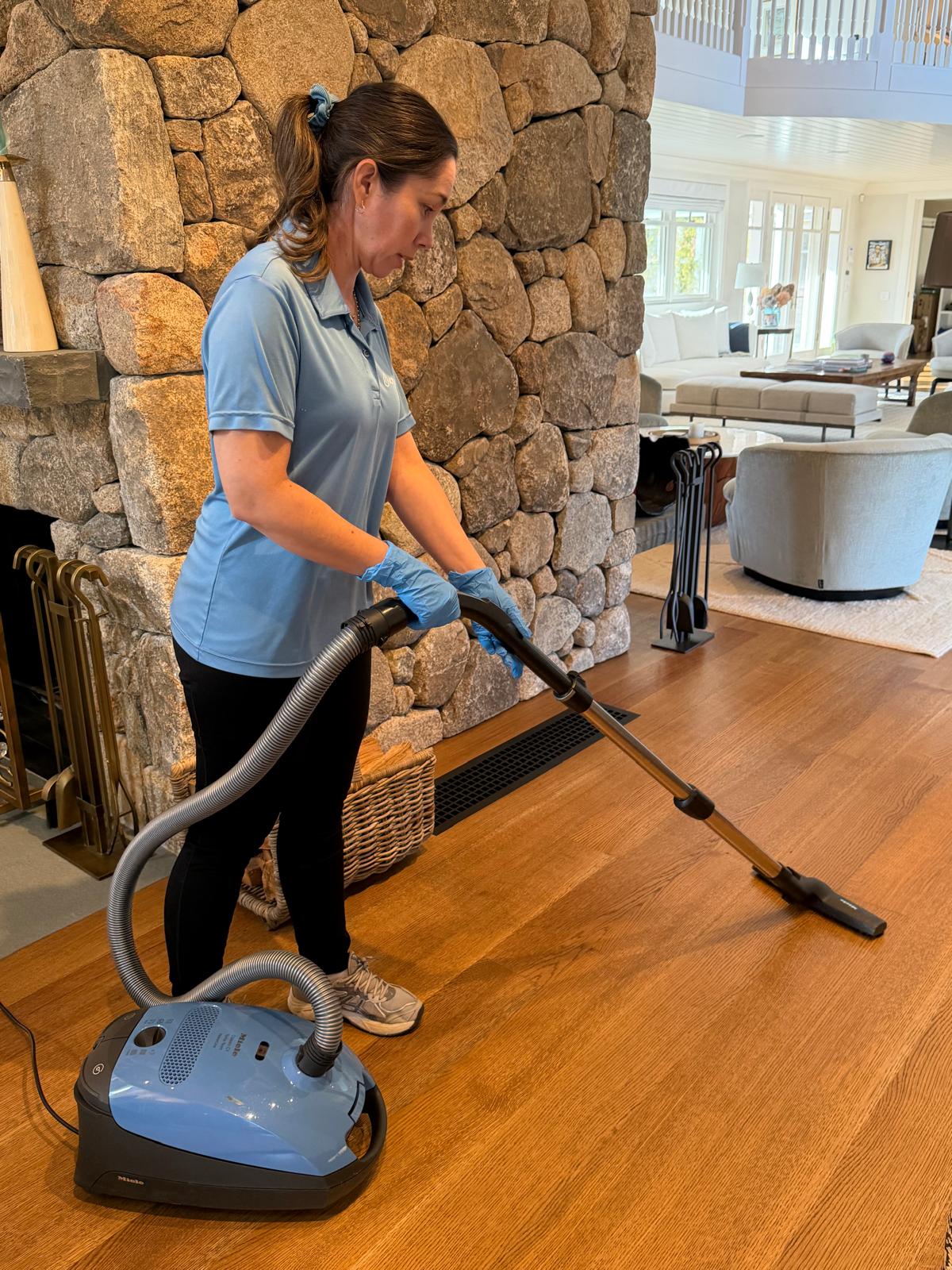
Martha’s Vineyard summer home being prepared for winter closure after the fall season by ICP Cleaning Services.
Quick Answer
Closing a summer home for winter on Martha’s Vineyard involves more than locking the doors after your final visit. Homeowners should schedule a detailed end-of-season cleaning, remove perishable food and damp linens, check for visible moisture or damage, coordinate professional plumbing and heating winterization, and arrange property checks during extended vacancies. ICP Cleaning Services helps seasonal and off-island homeowners with closing cleanings and customized Winter Care services throughout Martha’s Vineyard.
Closing a Martha’s Vineyard summer home for winter involves more than locking the doors. Use this cleaning checklist, property preparation guide, and winter care plan to leave your seasonal home protected until spring.
Leaving Martha’s Vineyard at the End of Summer
For many homeowners, leaving Martha’s Vineyard at the end of summer is bittersweet. After months of beach days, family gatherings, and warm evenings, it is time to prepare the house for a quieter season.
But closing a summer home is not the same as packing your bags for a short vacation. A property that will remain empty for several months requires careful preparation. Food residue, damp towels, accumulated sand, unnoticed leaks, and winter maintenance needs can create problems long after the last guest has departed.
This is particularly important for second-home owners in Edgartown, Oak Bluffs, Vineyard Haven, Chilmark, West Tisbury, and Aquinnah who may spend the winter living elsewhere.
Whether your home overlooks the water, sits along a wooded road, or is part of a seasonal rental property, a structured closing process can make winter care easier and reduce unpleasant surprises when you return.
Why Closing a Summer Home on Martha’s Vineyard Requires Special Planning
Martha’s Vineyard has characteristics that make seasonal home care different from maintaining a property that remains occupied throughout the year. Coastal exposure, changing temperatures, winter storms, humidity, and extended periods without occupants can all affect a home’s condition.
Coastal Moisture and Salt Air
Homes near the shoreline may experience salt residue on windows, fixtures, and exposed surfaces. Humidity and moisture can also become concerns in properties that remain closed for long periods, particularly where ventilation or water intrusion is an issue.
Cleaning away summer buildup and arranging appropriate moisture control are useful parts of preparing the home for vacancy.
Extended Periods Without Occupants
In a year-round residence, someone is normally present to notice an unusual odor, a leak, or a maintenance issue. In a seasonal home, weeks may pass before anyone enters the property.
That makes it important to identify visible problems before departure and establish a plan for periodic checks.
Cold Weather and Winter Storms
Martha’s Vineyard experiences freezing temperatures, winter storms, and coastal weather that may affect exterior areas, plumbing, heating systems, and access to the property.
A professional winterization plan helps address mechanical and property-related risks. A closing cleaning helps ensure the interior is left in a better condition during the vacancy.
What is not included
- Professional house cleaning, property checks, and mechanical winterization are different services. Homeowners should coordinate qualified contractors for plumbing, heating, electrical, and other technical maintenance.
When Should You Start Preparing Your Summer Home for Winter?
The best time to begin is before your final departure date. For homes used primarily during the summer, closing preparations often take place between September and November. However, the right schedule depends on the last planned stay, upcoming rental bookings, weather conditions, and maintenance appointments.
Rather than completing everything on your departure morning, organize the process into three stages.
Two to Three Weeks Before Leaving
Start by confirming the property’s closing schedule and contacting any necessary service providers.
- Arrange your end-of-season house cleaning
- Confirm the final vacation rental checkout, if applicable
- Book a qualified plumbing or heating contractor for winterization
- Schedule any needed gutter, roof, exterior, or landscape maintenance
- Review the property’s insurance requirements for winter vacancy
- Confirm who will have access to the property after you leave
- Arrange any requested Winter Care visits
What is not included
- This early planning is particularly helpful for off-island owners who must coordinate several appointments before traveling home.
During Your Final Week
Use the final week to organize belongings, remove unnecessary supplies, and address areas that will be difficult to maintain while the house is empty.
- Sort linens, towels, and bedding
- Remove unwanted food and seasonal supplies
- Check closets and storage areas for damp items
- Identify cleaning tasks that require additional time
- Document any maintenance concerns
- Confirm access instructions for cleaning and maintenance providers
On Your Final Departure Day
Complete a final walkthrough after cleaning and scheduled maintenance are finished. Confirm that approved closing procedures have been followed, collect personal belongings, and ensure the appropriate person has access to the property for future visits.
If cleaning or maintenance appointments will occur after departure, establish a clear handoff and communication plan.
End-of-Season Cleaning Checklist Before Closing Your Summer Home
A closing cleaning has a different purpose from a regular vacation rental turnover. During summer, cleaning prepares the house for the next guest or family arrival. At the end of the season, the goal is to remove accumulated dirt, reduce sources of odor, address household residue, and leave the interior organized for an extended period without use.
1. Remove Food, Trash, and Kitchen Residue
The kitchen is one of the first places to address before a home is left vacant. Even a kitchen that appears clean may contain crumbs, forgotten food, grease, and residue inside appliances or cabinets.
- Remove perishable food from the refrigerator
- Check the freezer and pantry for items that should not remain
- Empty all trash and recycling containers
- Clean countertops, sinks, and backsplashes
- Remove food crumbs from cabinet shelves and drawers
- Clean the microwave and any requested appliance interiors
- Wipe cabinet doors and handles
- Clean kitchen floors and accessible corners
- Make sure food-related surfaces are dry
What is not included
- If a refrigerator will be shut down, follow the manufacturer’s instructions for cleaning, drying, and leaving it safely prepared for nonuse. If the refrigerator will remain operating, verify that the relevant electrical and maintenance arrangements support that decision.
2. Clean Bathrooms Before Extended Vacancy
Bathrooms can retain soap residue, moisture, and damp fabrics after a busy season. Before leaving the home unoccupied, clean and dry the areas that receive frequent water exposure.
- Clean toilets, sinks, showers, and bathtubs
- Remove ordinary soap residue from shower walls and doors
- Wipe mirrors, countertops, and fixtures
- Clean accessible bathroom cabinet exteriors
- Remove used towels and bath mats
- Make sure washable fabrics are completely dry before storage
- Inspect visible areas around sinks and toilets for signs of leakage
- Report unusual staining, persistent dampness, or musty odors
What is not included
- If there are indications of significant mold growth or ongoing moisture intrusion, arrange an appropriate evaluation rather than treating the issue as routine cleaning. Plumbing shutdown and winterization should be coordinated separately with qualified professionals.
3. Wash and Store Linens Properly
Summer homes often contain additional bedding, towels, blankets, and guest linens. Some of these items may not be used again until the following spring. Storing textiles while they are damp or dirty can create unpleasant odors and other problems during extended storage.
- Launder used sheets and pillowcases
- Wash beach towels and bath towels
- Clean washable blankets and throws as needed
- Make sure all fabrics are fully dry
- Check closets for damp or forgotten clothing
- Store clean linens in suitable, dry locations
- Remove any guest belongings left behind
What is not included
- For vacation rental owners, the end of the season is also a useful opportunity to inventory linens that are damaged, missing, or ready for replacement. ICP Cleaning Services can coordinate linen and laundry support when arranged in advance as part of a customized seasonal cleaning plan.
4. Remove Summer Sand, Dust, and Debris
During summer, sand can spread from entryways into hallways, bedrooms, and living spaces. Fine dust may settle on furniture, baseboards, shelves, and hard-to-reach surfaces. Leaving this buildup untouched until spring means additional work when the house reopens.
- Vacuum carpets, rugs, and accessible furniture areas
- Clean hard flooring with surface-appropriate products
- Remove sand from entryways and mudrooms
- Dust accessible furniture and shelving
- Wipe baseboards and interior door frames where needed
- Clean interior window sills
- Remove cobwebs from accessible areas
- Check accessible storage spaces for debris
What is not included
- Properties closer to beaches may require additional attention to sand. Homes surrounded by trees and natural landscaping may collect more leaves and soil around entrances. A cleaning plan should reflect the property’s actual conditions.
5. Check Closets, Storage Spaces, and Guest Rooms
Closets, storage areas, and guest bedrooms are easy to overlook when everyone is preparing to leave. However, these spaces can contain forgotten snacks, damp beach gear, used towels, and personal belongings.
- Guest bedroom closets and drawers
- Laundry rooms
- Linen closets
- Pantry shelves
- Mudrooms and storage benches
- Accessible cabinets and seasonal storage spaces
What is not included
- Remove unwanted items and report any signs of pests, unusual odors, or water damage. If you discover evidence of a rodent infestation, arrange professional pest evaluation and appropriate cleanup.
6. Prepare Living Areas for Months Without Regular Use
Living rooms, dining rooms, and shared spaces should be cleaned and organized before closing. Focus on leaving the rooms free of ordinary household debris and making future visual checks easier.
- Dust accessible furniture
- Vacuum upholstered seating
- Clean dining tables and frequently touched surfaces
- Remove unwanted food, cups, and packaging
- Check behind accessible furniture for debris
- Clean floors and rugs
- Return movable household items to their designated places
What is not included
- Furniture and valuable finishes should be cared for according to their materials and manufacturers’ recommendations. The goal is not to create a complicated storage system — it is to leave the house organized enough that anything unusual will be easier to notice during future visits.
Final Guest Departure: Vacation Rentals Need a Different Closing Process
If your Martha’s Vineyard summer home is also used as a vacation rental, the last checkout of the year should receive more attention than a standard between-guest cleaning. During the rental season, a turnover focuses on preparing the property for the next arrival. At the end of the season, there may not be another guest for several months — and that changes the priorities.
A final rental-season cleaning should address normal turnover tasks while also allowing time to remove food and abandoned guest supplies, complete requested interior appliance cleaning, check linens and household inventory, clean areas that may have received less attention during back-to-back bookings, identify visible damage or maintenance concerns, organize the property for vacancy instead of immediate occupancy, and confirm access arrangements for winter care.
A normal turnover may be completed within a narrow checkout window. A detailed seasonal closing may require a different scope and scheduling.
Winterization Tasks That Should Be Handled Separately
One of the most important parts of closing a seasonal home is understanding what house cleaning cannot accomplish. Cleaning removes household dirt, dust, residue, and ordinary buildup. Winterization involves mechanical systems, cold-weather protection, and building maintenance that should be evaluated by qualified professionals.
Plumbing and Water Systems
Frozen pipes can cause extensive property damage. Before leaving your home vacant, consult a qualified plumber about the appropriate winterization procedure for your property. The correct plan depends on the plumbing configuration, heating system, occupancy plans, and whether the property will remain heated.
Do not assume that turning off the main water valve is sufficient for every home.
Heating Systems
A heating contractor should confirm that the system is operating properly and that any winter settings are appropriate for the building. Property owners should also verify whether the insurance policy establishes minimum heating, inspection, or vacancy-related requirements.
Roofs, Gutters, and Exterior Drainage
Arrange professional maintenance as needed to address debris, drainage concerns, and visible exterior problems before winter weather arrives. Properties surrounded by mature trees may require particular attention to accumulated leaves and blocked drainage areas.
Exterior Furniture and Seasonal Equipment
Outdoor cushions, umbrellas, grills, hoses, and recreational equipment may require seasonal storage or manufacturer-recommended preparation. Some equipment also requires specialized shutdown procedures. Coordinate those tasks with the appropriate maintenance provider rather than assuming they are included in a house cleaning service.
Insurance and Vacancy Requirements
Every seasonal homeowner should review their homeowners insurance policy before an extended absence. The Massachusetts Division of Insurance advises homeowners to protect plumbing, maintain appropriate heat, and understand how vacancy can affect coverage for winter damage.
Ask your insurer what conditions apply to your particular home, including any required inspections or property checks.
What Should You Do About Humidity and Musty Odors?
A house can be professionally cleaned before closing and still develop moisture problems during winter if the underlying conditions are not addressed. On Martha’s Vineyard, coastal exposure and changing weather conditions make moisture management an important consideration.
- Musty odors inside closets or closed rooms
- Visible moisture near windows
- Water staining around ceilings or walls
- Damp carpeting or stored fabrics
- Persistent condensation
- Evidence of leaking plumbing
- Discoloration around bathrooms and laundry areas
What is not included
- Do not rely on cleaning products or fragrance to conceal a recurring odor. Instead, identify the moisture source and arrange the necessary professional work. Humidity control, ventilation, heating, and dehumidification plans should be selected for the property and coordinated with the professionals responsible for its mechanical systems.
Who Will Check Your Martha’s Vineyard Home While You Are Away?
This is one of the most important questions for any off-island homeowner. Once the closing cleaning is complete and the property has been winterized, who will enter the home if there is a storm, unexpected moisture issue, or other visible concern?
A home that remains vacant for several months may benefit from regularly scheduled visits. For second-home owners who live in Boston, elsewhere in Massachusetts, or out of state, reliable local communication makes those arrangements especially important.
What Is a Winter Home Check?
A winter home check is a scheduled visit to an unoccupied property. Depending on the agreement, the visit may involve observing the condition of accessible interior areas, looking for visible changes, performing agreed light upkeep, and communicating concerns to the owner.
It is different from a comprehensive building inspection, security service, or licensed maintenance visit.
What Does ICP Cleaning Services Offer?
ICP Cleaning Services provides a Winter Care Service for Martha’s Vineyard homes. Depending on the customized plan, visits may include light cleaning and dust removal, removal of ordinary household cobwebs and insects, observation of visible moisture concerns, looking for signs of visible damage or pest activity, organization of agreed closets and interior storage spaces, visual checks following weather events when scheduled, and confirmation reports and communication about concerns.
Visits can be customized according to the owner’s needs, property access, and agreed schedule. Winter Care helps owners stay informed about visible changes. It does not replace professional winterization, emergency response services, licensed inspections, or repairs.
How Often Should a Closed Summer Home Be Checked?
There is no single schedule that works for every property. The appropriate frequency depends on the building, its mechanical systems, weather exposure, insurance requirements, and how long it will be unoccupied.
ICP offers customized scheduling, including biweekly or monthly visits, and can discuss additional visits after major storms. However, homeowners should confirm whether their insurer, caretaker agreement, or maintenance professional requires more frequent checks. The service schedule should satisfy those requirements rather than simply following a standard cleaning frequency.
How to Coordinate Your Final Cleaning When You Live Off-Island
A major challenge for seasonal homeowners is managing several appointments without being physically present. Some owners return to Martha’s Vineyard for the final closing weekend. Others leave the property after summer and need a local team to coordinate the remaining cleaning. Either approach can work with proper planning.
Before the scheduled service, provide property details (address, bedrooms, bathrooms, size, and rooms requiring special attention), access instructions (approved entry, alarm instructions, and contact person), cleaning priorities (routine closing, deep cleaning, appliance interiors, linen changes, or other agreed tasks), scheduling information (departure date, last rental checkout, and maintenance appointments), communication preferences (who receives updates and how concerns are reported), and winter plans (whether you want continuing Winter Care visits or additional cleaning before your next arrival).
ICP Cleaning Services works with seasonal and off-island property owners and can coordinate access and service communication in advance.
How Much Does It Cost to Close a Summer Home for Winter?
Closing a seasonal property can involve several separate expenses. Professional house cleaning is usually just one part of the overall preparation. Cleaning costs depend on factors such as square footage and property layout, number of bedrooms and bathrooms, condition after the final summer stay, amount of accumulated sand, dust, and household residue, detailed kitchen or appliance cleaning requests, linen and laundry support, storage and organization tasks, property access and scheduling, and whether additional Winter Care visits are requested.
Mechanical winterization, plumbing maintenance, heating inspections, exterior work, and repairs are separate services and should be quoted by the appropriate providers. For a cleaning estimate, explain how your summer home has been used and whether it will remain vacant throughout winter. ICP Cleaning Services can discuss the cleaning scope and prepare a customized service estimate.
Seasonal Home Cleaning Throughout Martha’s Vineyard
Every part of Martha’s Vineyard has its own mix of year-round residences, seasonal cottages, vacation homes, and larger private properties. ICP Cleaning Services provides seasonal and second-home cleaning across the island.
- Edgartown and Katama: closing preparation for vacation homes, seasonal residences, and properties that have hosted summer visitors
- Oak Bluffs: end-of-season cleaning for summer cottages, family homes, and short-term rental properties
- Vineyard Haven and Tisbury: seasonal closing cleaning and customized ongoing care for properties used part-time throughout the year
- West Tisbury: cleaning and preparation for larger homes, properties with storage areas, and residences surrounded by wooded landscapes
- Chilmark and Menemsha: seasonal cleaning and property care coordination for homes that may be unoccupied for extended periods
- Aquinnah: customized closing cleaning and winter care planning for seasonal properties and off-island owners
Why Work With ICP Cleaning Services?
Preparing a seasonal home for winter requires planning, reliability, and attention to detail. For off-island homeowners, communication and familiarity with the property can be just as important as the cleaning itself.
With more than 15 years of cleaning experience, ICP Cleaning Services works with year-round residents, vacation rental owners, and families who spend only part of the year on Martha’s Vineyard.
- Detailed seasonal house cleaning
- Customized deep cleaning
- Cleaning for second homes and vacation properties
- Optional linen and laundry coordination
- Access coordination for off-island owners
- Winter Care visits with confirmation reports
- Cleaning plans tailored to individual properties
Final Checklist Before Leaving Your Summer Home
Before the final departure, use this checklist to confirm that the closing process has been coordinated.
Cleaning and Household Preparation
- Final cleaning has been completed or scheduled
- Perishable food and trash have been removed
- Kitchens and bathrooms have been cleaned
- Linens and towels are clean and completely dry
- Sand, dirt, and ordinary debris have been removed
- Guest rooms and closets have been checked
- Requested appliance cleaning has been completed
- Visible moisture or maintenance concerns have been documented
Maintenance and Winter Preparation
- A qualified contractor has addressed plumbing winterization
- Heating arrangements have been confirmed
- Exterior maintenance has been completed or scheduled
- Seasonal equipment has been appropriately prepared
- Homeowners insurance requirements have been reviewed
Access and Off-Season Coordination
- Property access instructions have been confirmed
- A local contact is available for agreed concerns
- The winter property-check schedule has been arranged
- Communication and reporting preferences are established
- The owner knows whom to contact for cleaning and maintenance
- Spring reopening plans have been noted for future scheduling
Need professional cleaning help?
Our Martha’s Vineyard team handles coastal & seasonal care and more. Request a free estimate today.
Frequently Asked Questions
Coastal & Seasonal Care across Martha’s Vineyard
From coastal & seasonal care to full property care, ICP Cleaning Services helps homeowners, hosts, and businesses across the island.
Related articles
Winter House Checks vs. Professional House Cleaning on Martha’s Vineyard
October 8, 2026
Coastal & Seasonal CareHow Often Should an Empty Martha’s Vineyard Home Be Checked in Winter?
October 7, 2026
Coastal & Seasonal CareHow Often to Check an Empty Martha’s Vineyard Home
October 5, 2026