Knowing how to clean unsealed wood floors correctly is the first step to preserving that natural, raw beauty that many Martha’s Vineyard homeowners love. However, they also require a very specific approach to cleaning. Without a protective finish, the wood is porous and highly sensitive to moisture, harsh chemicals, and abrasive tools.
If you have unfinished hardwood floors and need to know how to clean unsealed wood floors, the approach is different from sealed surfaces. If you have unfinished hardwood floors and need to know how to clean unsealed wood floors in your island home, the wrong cleaning method can cause warping, swelling, or permanent staining. The good news is that, with the right technique and the right unsealed wood floor cleaner, you can keep them looking their best year after year.
Why unsealed floors need a different cleaning approach
Sealed floors have a protective coating, usually polyurethane or wax, that acts as a barrier between the wood and the outside world. Unsealed floors have no such barrier. Every drop of liquid, every cleaning product you use, and every tool you drag across the surface makes direct contact with the wood fibers.
On Martha’s Vineyard, this is especially important. The island’s coastal humidity and salt air can accelerate moisture absorption in untreated wood. As a result, a floor that might tolerate a quick mop on the mainland could warp or buckle here if treated the same way.
The tools you need before you start
Before you begin, gather the right supplies. Using the wrong tools is one of the most common mistakes homeowners make when cleaning unfinished hardwood floors.
You will need:
- A soft-bristle broom or dry microfiber dust mop
- A vacuum with a floor brush attachment (no beater bar)
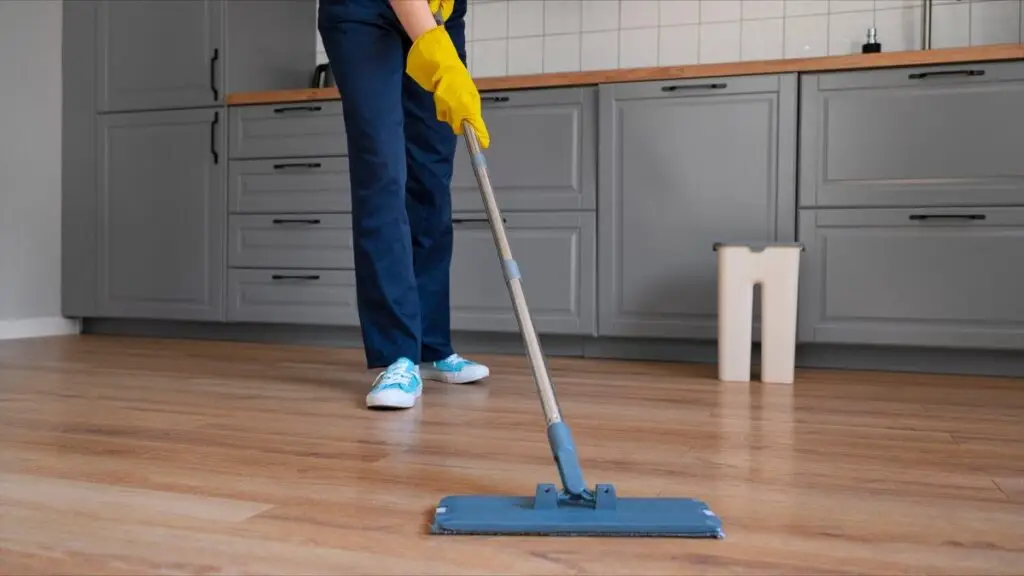
- A barely damp microfiber mop, not a wet one
- A pH-neutral, water-free or low-moisture wood cleaner
- Dry cloths for immediate blotting
Avoid steam mops entirely. The heat and moisture penetrate the open grain and can cause irreversible damage. Also avoid oil soaps, vinegar-based solutions, or any product not specifically labeled safe for unfinished or untreated wood floors.
Step-by-step: how to clean unsealed wood floors
Daily and weekly dry cleaning
The first step in any routine is dry cleaning. When you want to know how to clean unsealed wood floors properly, dry cleaning is always where professionals begin. Sweep or dust mop the floor daily if possible, especially in high-traffic areas. Grit and debris act like sandpaper on unfinished surfaces. Therefore, removing them consistently is essential.
Use a soft-bristle broom or a dry microfiber mop. Move in the direction of the wood grain. When you vacuum, set the machine to the hard floor setting and use only a brush attachment. The spinning beater bar on most vacuums can scratch or gouge unfinished wood.
Spot cleaning spills immediately
On unsealed floors, speed is everything when it comes to spills. Liquid can be absorbed within seconds, leading to staining or swelling. Blot any spill immediately with a dry cloth. Do not rub, as rubbing spreads the moisture and pushes it deeper into the grain.
After blotting, allow the area to air dry completely before walking on it again. For sticky residue, use a slightly damp cloth and dry the area immediately afterward.
Damp mopping: the right way
For a deeper clean of unsealed wood floors, you can use a barely damp microfiber mop with a pH-neutral wood cleaner. The keyword here is barely damp. Wring the mop until it feels almost dry to the touch. You should not see any moisture trail on the floor as you mop.
Work in small sections. Mop in the direction of the grain and dry each section with a clean dry cloth before moving to the next. Never leave moisture sitting on the surface, even for a few minutes.
Wood floor care tips for coastal environments
Martha’s Vineyard homes face specific challenges that most wood floor guides do not address. Salt air increases ambient humidity, which means your floors are constantly exposed to airborne moisture. Additionally, sand and grit track in from the beach and act as an abrasive on unfinished surfaces.
Here are a few wood floor care tips tailored to the island environment:
- One important part of how to clean unsealed wood floors effectively is controlling indoor humidity. Use a dehumidifier during the humid summer months to keep indoor humidity between 35% and 55%. This range is ideal for wood stability.
- Use entry mats: place absorbent mats at every door. This reduces the amount of sand, moisture, and salt tracked onto the floors.
- Avoid shoes indoors: encourage a no-shoes policy, especially during summer when guests may come in from the beach.
- Inspect regularly: off-season property owners should arrange regular property checks to catch any moisture issues before they cause floor damage. Regular cleaning services includes property oversight for seasonal homeowners on Martha’s Vineyard.
What to avoid on unfinished hardwood floors
When learning how to clean unsealed wood floors, knowing what not to do is just as important as knowing what to do. Avoid all of the following:
- Steam mops or steam cleaners: The heat and steam penetrate the open grain deeply and cause warping.
- Wet mopping: Any standing moisture will soak in and cause swelling or staining.
- Vinegar or acidic cleaners: These etch the wood fibers and can cause discoloration.
- Oil-based soaps: These leave a residue that builds up over time and is very difficult to remove from unfinished surfaces.
- Bleach or ammonia: Both can permanently discolor untreated wood.
If you are unsure whether a product is safe, test it in a hidden corner of the floor first. Wait 24 hours and check for any discoloration or damage before proceeding.
When to call a professional
Some situations go beyond regular maintenance. If your unsealed floors show signs of deep staining, warping, or mold, a professional cleaning assessment is the right next step. Attempting to fix these issues with DIY methods often makes them worse.
A professional cleaning team familiar with Martha’s Vineyard homes and coastal conditions will assess the damage and recommend the appropriate approach, which may include sanding and refinishing rather than cleaning alone.
For properties that sit empty during the off-season, professional cleaning and inspection services help catch moisture problems early.
Building a long-term maintenance routine
Consistency is the most effective protection you can give an unsealed wood floor. Knowing how to clean unsealed wood floors is only useful if you apply that knowledge regularly. A daily dry sweep, weekly inspection, and monthly low-moisture cleaning are the pillars of how to clean unsealed wood floors and keep them in good condition for many years.
If you have guests, renters, or family using the property during the summer season, schedule a professional cleaning at the start and end of the season. This ensures any accumulated grit, salt residue, or moisture damage is addressed before it becomes a bigger problem.
Martha’s Vineyard’s coastal climate is beautiful, but it is demanding on interior surfaces. A proactive routine is always more affordable than a reactive repair.
Common mistakes that permanently damage unsealed floors
Even well-intentioned homeowners make errors that cause lasting harm to unfinished hardwood floors. Understanding how to clean unsealed wood floors correctly prevents these mistakes. that cause lasting harm to unfinished hardwood floors. Knowing what to avoid is as protective as knowing the right technique.
- Using a robot vacuum with a wet-mopping function: Several popular robot vacuums include a mopping feature that deposits a fine mist of water on the floor as it moves. This seems harmless, but on unsealed wood, repeated micro-moisture deposits cause gradual warping and grain raising. Disable any wet function and use the robot vacuum in dry mode only.
- Cleaning with dish soap: Dish soap is designed to cut grease on hard, non-porous surfaces. On unsealed wood, the surfactants in dish soap penetrate the grain and leave a residue that attracts dirt. Over time, the floor develops a sticky, dull appearance that worsens with every cleaning.
- Buffing with a dry cloth in circles: Circular buffing on unsealed wood raises the grain and creates micro-abrasions that catch dirt. Always work in straight lines, moving with the grain direction.
- Using furniture polish or wax on unsealed floors: Products designed for sealed floors create a film on unsealed surfaces that does not bond properly. The film attracts dust and is extremely difficult to remove without sanding.
- Waiting too long between dry cleanings: In a coastal property like those found across Martha’s Vineyard, daily dry sweeping is the minimum for areas that see foot traffic. Salt particles and sand are abrasive enough to scratch the wood fiber with each footstep. A regular dry cleaning routine removes this material before it causes damage.
How to prepare unsealed wood floors for a professional cleaning visit
If you plan to bring in a professional cleaning service to help with how to clean unsealed wood floors correctly,, a few preparation steps make the visit more effective.
Clear the floor completely if possible. Move rugs, furniture, and any items stored on the floor before the team arrives. This gives the team full access to every section of the floor and allows them to identify any problem areas, water staining, gray oxidation from salt, or spots where the grain has been raised, that need targeted treatment.
Point out any areas of concern. If there are specific stains, soft spots, or areas where the finish has worn unevenly, communicate this before the clean begins. Professionals can adjust their approach to protect these areas.
Avoid applying any product to the floor in the 24 hours before the visit. Residual product on the surface interferes with the cleaning process and can produce unpredictable results when combined with professional-grade cleaners.
Professional cleaning teams on Martha’s Vineyard address how to clean unsealed wood floors as part of every property visit. with the range of wood floor types found in island properties, from historic wide-plank floors in older Edgartown homes to newer unfinished hardwood installations in recently built vacation properties. Our team adjusts the approach based on the specific material and condition of each floor.
The right approach to how to clean unsealed wood floors
Knowing how to clean unsealed wood floors correctly rewards careful, consistent maintenance with lasting beauty. The key principles for how to clean unsealed wood floors are simple: keep moisture minimal, use only pH-neutral or dry-cleaning methods, remove grit and debris daily, and respond to spills immediately.
For homeowners on Martha’s Vineyard, the coastal environment shapes how to clean unsealed wood floors in ways that standard guidance does not address. Humidity control and regular inspections are as important as the cleaning process itself. When in doubt, or when the job goes beyond routine upkeep, a professional cleaning service familiar with island properties is the most reliable solution.
ICP Cleaning Services has helped Martha’s Vineyard homeowners protect their floors and their properties for over 15 years. Contact us to schedule a cleaning or request a free estimate.