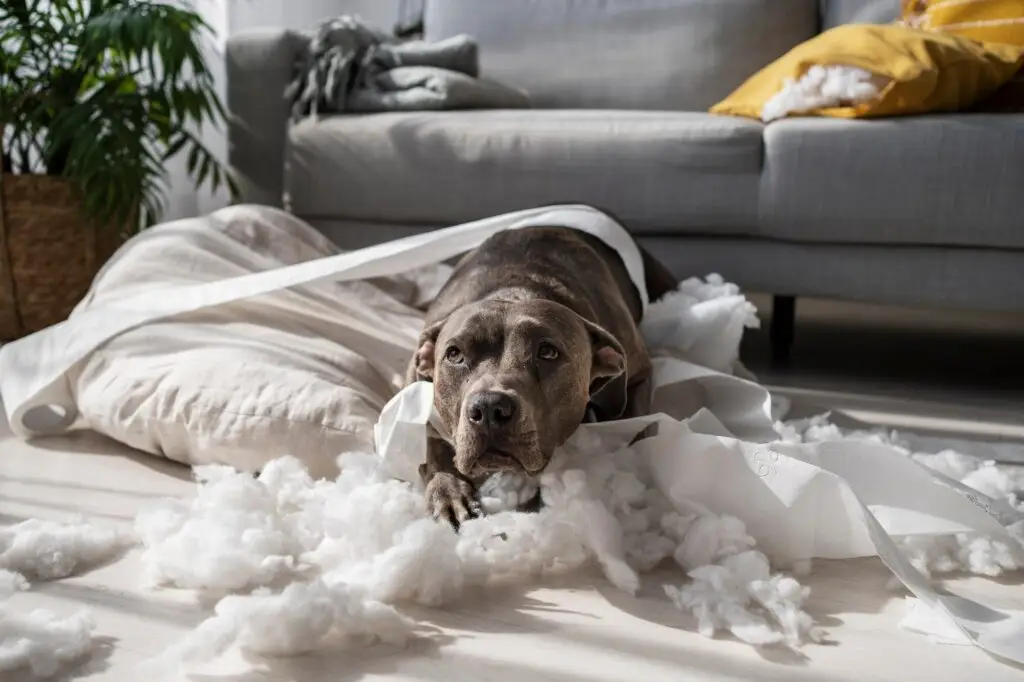
Living with pets brings immense joy to any home, but it also introduces a unique set of cleaning challenges that every pet owner understands all too well. From muddy paw prints tracked in after a rainy walk to the seemingly endless shedding season, maintaining a pristine environment requires a strategic approach. However, the goal isn’t just a clean house; it is achieving a level of cleanliness that is safe and non-toxic for your furry companions. Many standard cleaning products contain harsh chemicals that can be harmful to sensitive paws and noses, making pet-friendly house cleaning a top priority for conscientious owners.
For families living in Massachusetts, the changing seasons add another layer of complexity to household maintenance. The humid summers can trap odors indoors, while the snowy winters often mean salt and slush are dragged across your floors. Navigating these seasonal shifts requires adaptable methods that tackle dirt without compromising safety. By implementing a few smart habits and choosing the right tools, you can create a harmonious living space where both your family and your pets can thrive comfortably.
Why Pet-Friendly House Cleaning Matters
When we think about cleaning, we often focus on the visual results—shiny floors and dust-free surfaces. However, the chemical residue left behind by conventional cleaners is a significant concern for pet owners. Animals are much closer to the ground than humans, meaning they are constantly inhaling fumes and absorbing residues through their paws. Furthermore, because pets groom themselves, any chemical on their fur or paws is eventually ingested. Prioritizing pet-friendly house cleaning isn’t just a preference; it is a crucial aspect of preventative pet healthcare.
Transitioning to safer methods involves understanding what to avoid. Ingredients like ammonia, bleach, and phthalates are common in household cleaners but can cause respiratory issues and skin irritation in animals. Fortunately, nature provides powerful alternatives. Ingredients like vinegar, baking soda, and enzymatic cleaners can handle tough messes just as effectively as their chemical counterparts. By making this switch, you ensure that your home remains a sanctuary rather than a source of hidden hazards.
1. Mastering Pet Hair Removal on Every Surface
One of the most persistent battles for any pet owner is managing the constant accumulation of fur. Whether you have a Golden Retriever or a short-haired tabby, hair seems to find its way onto every piece of furniture and into every corner. Effective pet hair removal requires more than just a quick vacuum; it demands a multi-faceted approach tailored to different surfaces.
Furniture and Upholstery
Fabric sofas and chairs act like magnets for pet hair. While vacuuming is a good first step, it often leaves woven-in strands behind. To tackle this, consider using a damp rubber glove. Simply put on the glove, wet it slightly, and run your hand over the fabric. The friction creates static electricity, and the texture of the rubber grabs the hair, balling it up for easy removal.
- Velvet brushes: These are excellent for delicate fabrics where you want to avoid abrasion.
- Lint rollers: Keep these handy for quick touch-ups before guests arrive.
- Squeegees: Surprisingly, a window squeegee works wonders on low-pile carpets and rugs to pull up embedded fur.
Hard Floors and Carpets
For floors, the tool you use makes all the difference. A vacuum with a high-efficiency particulate air (HEPA) filter is essential for trapping dander and allergens rather than recirculating them into the air. When dealing with hardwood or tile, avoid brooms, which tend to send hair flying into the air. Instead, use a microfiber dust mop or an electrostatic dry mop that attracts and holds onto the hair and dust bunnies.
2. Safe Floor Cleaning for Massachusetts Winters
Living in New England means dealing with a wide variety of weather conditions, but winter poses the biggest threat to your floors and your pet’s safety. The salt and de-icing chemicals used on sidewalks and roads in Massachusetts are highly corrosive to floors and toxic to pets. When dogs walk outside, these chemicals stick to their pads. If not cleaned immediately, they can cause chemical burns or be ingested when the dog licks its paws.
The Entryway Defense System
The best way to handle winter messes is to stop them at the door. Create a dedicated cleaning station at your main entryway. This should include a heavy-duty doormat to scrape off large debris and a super-absorbent microfiber rug to soak up melting snow.
- Keep a towel handy: Wipe down paws immediately upon entry.
- Use a paw plunger: These small devices use water and soft bristles to rinse paws thoroughly.
- Booties: If your dog will tolerate them, booties offer the best protection against salt and ice.
Choosing the Right Cleaner
When it comes to mopping, safe floor cleaning is paramount. Traditional floor cleaners often contain phenols, which are dangerous to cats and dogs. Instead, opt for a solution of warm water and a small amount of mild, pH-neutral dish soap. For tougher salt stains, a mixture of water and white vinegar is effective, but use it sparingly on hardwood to avoid damaging the finish. Always ensure the floor is completely dry before allowing your pets to walk on it again to prevent slipping and paw irritation.
3. The Science of Odor Elimination
Masking smells with heavy perfumes is not the same as removing them. In fact, strong artificial fragrances can be overwhelming for pets, whose sense of smell is far superior to ours. True odor elimination involves neutralizing the bacteria that cause the smell in the first place. This is particularly important for accidents, as lingering scents can encourage pets to soil the same spot repeatedly.
Enzymatic Cleaners are Key
The gold standard for biological messes—urine, vomit, or feces—is an enzymatic cleaner. These products contain beneficial bacteria that produce enzymes capable of breaking down the molecules in organic waste. Unlike standard detergents that wash away the surface mess, enzymatic cleaners digest the uric acid crystals that cause lingering odors.
- Blot, don’t rub: When an accident happens, blot up as much liquid as possible first.
- Saturate the area: Apply the enzymatic cleaner generously, ensuring it soaks deep into the carpet pad or upholstery foam.
- Let it sit: These cleaners need time to work. Follow the bottle instructions, which often recommend leaving the solution for 15 minutes or more.
Natural Deodorizers
For general household odors, baking soda is a powerhouse. It absorbs moisture and neutralizes acidic odors. Sprinkle it on carpets or pet beds, let it sit for an hour, and then vacuum it up. This is a safe, non-toxic way to freshen up a room without introducing volatile organic compounds (VOCs) into the air. Additionally, keeping your home well-ventilated by opening windows, even briefly during the colder months, helps cycle out stale air and reduce indoor pollutants.
4. Managing Pet Toys and Bedding
We often focus on cleaning the house structure but forget about the items our pets use most. Pet beds, blankets, and toys are breeding grounds for bacteria, allergens, and dust mites. Regular laundering of these items is a critical component of pet-friendly house cleaning.
Washing Pet Bedding
Ideally, pet bedding should be washed weekly. Use a mild, fragrance-free laundry detergent. Many pets have sensitive skin, and the dyes and perfumes in standard detergents can cause itching or rashes. If the bedding is heavily soiled or has a strong odor, add a cup of white vinegar to the rinse cycle. This acts as a natural fabric softener and helps strip away detergent residue and odors.
- Check the label: Ensure the foam inserts are washable or if only the cover should be cleaned.
- High heat: If the fabric allows, dry on a high heat setting to kill dust mites and flea eggs.
- Hair removal first: Run a rubber glove over the bedding before putting it in the washer to prevent clogging your machine’s filter.
Sanitizing Toys
Toys spend a lot of time in your pet’s mouth, so cleaning them safely is vital. Hard rubber or plastic toys can usually be cleaned in the dishwasher on the top rack (skip the detergent and use high heat or a vinegar rinse). Soft plush toys can often go in the washing machine. Place them in a mesh laundry bag to protect them and wash on a gentle cycle. Discard any toys that are ripped or have loose parts that could become choking hazards.
5. DIY Natural Cleaning Solutions
For those who want complete control over the ingredients used in their home, making your own cleaning solutions is a fantastic option. It is cost-effective, eco-friendly, and ensures that your pet-friendly house cleaning routine is genuinely safe. You likely already have the necessary ingredients in your pantry.
The All-Purpose Vinegar Spray
White vinegar is a mild acid that cuts through grease and grime. It is also a natural disinfectant for many types of bacteria.
- Recipe: Mix equal parts water and white vinegar in a spray bottle.
- Usage: Use this on windows, glass, countertops (avoid granite or marble), and bathroom fixtures.
- Note: While the smell of vinegar is strong initially, it dissipates quickly as it dries, taking other odors with it.
Baking Soda Scrub
For areas that need a bit of abrasion, like bathroom tiles or a dirty food bowl area, baking soda is excellent.
- Recipe: Mix baking soda with a small amount of water to form a thick paste.
- Usage: Apply to the surface and scrub with a sponge or brush. Rinse thoroughly with water.
- Safety: Baking soda is non-toxic, but large amounts shouldn’t be ingested, so always rinse well.
Using these simple ingredients reduces the chemical load in your home significantly. For more insights on maintaining a healthy home environment, you can explore resources on indoor air quality and health. Furthermore, understanding the specific toxicity of common plants and household items is vital; the ASPCA Animal Poison Control center offers extensive lists of what to keep away from your pets.
Creating a Harmony of Cleanliness and Comfort
Maintaining a clean home with pets is undoubtedly a labor of love, but it doesn’t have to be a struggle. By adopting these pet-friendly house cleaning hacks, you are not only preserving the condition of your home but also actively protecting the health of your family and your four-legged companions. Whether you are battling the specific challenges of Massachusetts weather or simply trying to keep up with daily shedding, consistency is key.
Remember that a truly clean home is one where everyone feels safe and comfortable. Swapping out harsh chemicals for natural alternatives, staying on top of grooming and hair removal, and tackling odors at the source will transform your cleaning routine. It allows you to spend less time worrying about messes and more time enjoying the unconditional love and companionship that pets bring into our lives.