
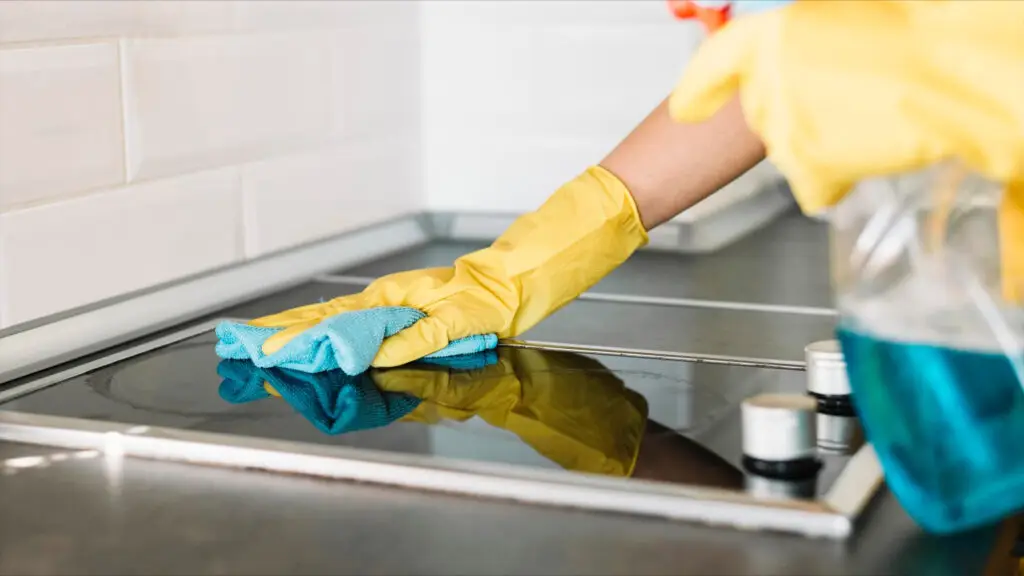
The kitchen is the heart of every home. It is where meals are prepared, families gather, and health is either protected or put at risk. Yet despite daily use, many kitchen areas receive far less kitchen sanitation attention than they need. Poor kitchen sanitation leads to grease buildup, bacterial contamination, and food safety risks that are entirely preventable.
Most homeowners clean the obvious surfaces — countertops, dishes, and the stovetop. However, the areas that cause the most kitchen sanitation concerns are often the ones that go unnoticed for weeks or even months. Whether you manage a year-round residence or a seasonal property on Martha’s Vineyard, understanding which kitchen areas require more frequent kitchen sanitation is the first step toward a genuinely safe and healthy home.
1. The Stovetop and Surrounding Surfaces
Grease buildup and kitchen sanitation around burners and knobs
The stovetop collects grease, food splatter, and burnt residue with every single use. Therefore, it is one of the highest priorities for consistent kitchen sanitation. Grease buildup around burners and control knobs is not only unsightly — it is a fire hazard and a serious kitchen sanitation concern.
Clean the stovetop after every cooking session. Remove burner grates or covers and wash them separately with hot soapy water. Wipe down the surrounding surface with a degreasing cleaner. Additionally, clean the control knobs by removing them and wiping both the knobs and the panel behind them. Grease accumulates in the narrow spaces around knobs and is easy to miss during routine kitchen sanitation.
The area behind and beside the stove
The gap between the stove and adjacent countertops or cabinets collects food debris and grease constantly. Furthermore, the wall or backsplash directly behind the stovetop absorbs splatter during every meal preparation. Wipe down the backsplash daily and deep clean the gap beside the stove at least once a month. Consistent kitchen surface care tips like these prevent long-term grease buildup that undermines your overall kitchen sanitation standards.
2. The Refrigerator — Inside and Out
Interior shelves, drawers, and door seals
The refrigerator maintains food safety by keeping perishables at the correct temperature. However, spills, expired items, and moisture create conditions where bacteria and mold thrive inside the unit. Therefore, kitchen sanitation must include the refrigerator interior on a regular basis — not just when a spill is visible.
Clean the refrigerator interior at least once a month. Follow these steps:
- Remove all items and check expiration dates
- Take out all removable shelves and drawers and wash them with warm soapy water
- Wipe down the interior walls, ceiling, and floor of the fridge with a food-safe cleaner
- Clean the door shelves and bottle holders thoroughly
- Allow all parts to dry completely before replacing them
Additionally, the rubber door seal is one of the most overlooked spots in refrigerator kitchen sanitation. Mold grows easily in the folds of the gasket. Wipe it down with a damp cloth and a mild disinfectant every two weeks. Consequently, a clean door seal also improves the refrigerator’s energy efficiency by maintaining a proper airtight closure.
The exterior and top of the refrigerator
Grease and dust settle on the top of the refrigerator continuously. Furthermore, the exterior handles transfer bacteria with every touch. Wipe down the full exterior — including the top, sides, and handles — as part of your weekly kitchen sanitation routine. This small step makes a significant difference to overall kitchen sanitation throughout your home.
3. The Kitchen Sink and Drain Area
The kitchen sink is one of the most bacteria-contaminated surfaces in the entire home. Studies have consistently shown that kitchen sinks harbor more bacteria than bathroom surfaces in many households. This is because raw meat, vegetables, and food waste all pass through the sink daily. Therefore, kitchen sanitation begins with a consistently clean sink.
Clean the sink thoroughly every day. Go beyond a quick rinse and follow these steps:
- Scrub the sink basin with a disinfectant cleaner and a non-scratch pad
- Pay close attention to the drain opening, where food residue and bacteria accumulate
- Clean the faucet base and handles, which are touched constantly during food preparation
- Wipe down the area around the sink, including the counter edge and soap dispenser
- Pour a small amount of baking soda followed by white vinegar down the drain weekly to reduce odor and buildup
Moreover, replace your kitchen sponge or brush frequently. Sponges are among the most bacteria-laden items in any kitchen. As a result, using a contaminated sponge during your kitchen sanitation routine actually spreads bacteria rather than removing it. Opt for a brush with a handle or replace sponges every one to two weeks.
4. Cabinet Fronts, Handles, and Hinges
Grease buildup and kitchen sanitation on cabinet surfaces
Cabinet fronts — particularly those near the stovetop — absorb grease and cooking vapors constantly. Over time, this creates a sticky film that collects dust and bacteria. However, most homeowners wipe cabinet fronts only during occasional deep cleans. Therefore, kitchen sanitation requires more frequent attention to these surfaces than most people realize.
Wipe down cabinet fronts near the stove and oven at least once a week. Use a degreasing cleaner appropriate for your cabinet finish. For painted or lacquered cabinets, avoid abrasive products that can damage the surface. Furthermore, pay attention to the edges and corners of cabinet doors, where grease accumulates in hard-to-reach creases and compromises your kitchen sanitation efforts.
Handles and hinges as food safety concerns
Cabinet handles are high-touch surfaces that transfer bacteria during every meal preparation session. Consequently, they deserve the same kitchen sanitation attention as door handles and light switches throughout the rest of the home. Wipe them down with a disinfectant spray daily — especially in homes with multiple occupants or frequent guests.
Hinges are rarely cleaned but accumulate grease and grime over time. Use a small brush or an old toothbrush to clean around hinges during your monthly kitchen deep cleaning service session. This level of detail is a key component of thorough kitchen sanitation and surface care.
5. The Microwave — Inside, Outside, and the Filter
Interior splatter and kitchen sanitation
The microwave interior is one of the fastest-accumulating spots for food residue in any kitchen. Splatter from reheated meals coats the walls, ceiling, and turntable of the microwave with every use. Moreover, dried food residue is much harder to remove than fresh splatter. Therefore, maintaining proper kitchen sanitation inside the microwave requires cleaning at least twice a week.
A simple and effective method for kitchen sanitation inside the microwave:
- Place a microwave-safe bowl with water and a few slices of lemon inside
- Run the microwave on high for three minutes
- Leave the door closed for another two minutes to allow steam to loosen debris
- Wipe down all interior surfaces with a damp cloth
- Remove and wash the turntable plate with warm soapy water
The charcoal filter and exhaust vent
If your microwave is mounted above the stove, it contains a charcoal filter and exhaust vent that captures grease and cooking odors. This filter requires cleaning or replacement every six months. Consequently, a clogged filter reduces ventilation efficiency and allows grease to accumulate inside the vent system. Include this step in your kitchen deep cleaning service schedule to maintain proper kitchen sanitation and food safety standards in your home.
6. The Garbage Area and Recycling Bins
Garbage bins and recycling containers are among the most bacteria-contaminated areas in any kitchen. Food waste, liquids, and packaging all contribute to bacterial growth, odors, and even pest activity. However, most households only address bin kitchen sanitation when containers become visibly dirty. This is not sufficient for a proper kitchen sanitation standard.
Clean your kitchen bin thoroughly once a week. Follow these steps:
- Empty the bin completely and remove the liner
- Rinse the interior with hot water to loosen debris
- Scrub the inside and outside with a disinfectant cleaner
- Pay attention to the lid, rim, and the area under the bin where moisture collects
- Allow the bin to dry completely before inserting a new liner
Additionally, the area beneath and around the bin collects spills, drips, and debris that often goes unnoticed. Wipe down the floor and cabinet around the bin as part of your weekly kitchen sanitation routine. Furthermore, use bin liners consistently and tie them securely to minimize contact between food waste and the bin interior. These kitchen surface care habits significantly reduce odors and bacterial contamination over time.
For recycling bins, rinse food containers before placing them inside. Consequently, this prevents odors and reduces the attraction of pests — a particular concern in seasonal properties that may sit unoccupied between visits.
A Clean Kitchen Is a Healthy Kitchen
Kitchen sanitation is not a once-a-week task. It is an ongoing commitment that protects your family’s health, maintains food safety, and keeps your home hygienic every single day. The six areas covered in this guide — the stovetop, refrigerator, sink, cabinets, microwave, and bin area — all require more frequent kitchen sanitation attention than most standard cleaning routines provide.
When kitchen sanitation slips, grease buildup, bacteria, and food safety risks follow quickly. Therefore, building consistent daily and weekly habits around these six areas makes a measurable difference to the health and cleanliness of your entire home. Moreover, scheduling a professional kitchen deep cleaning service at least once a season ensures that every surface — including the ones you cannot easily reach — receives the thorough kitchen sanitation it needs.
At ICP Cleaning Services, we deliver expert kitchen deep cleaning service to homeowners and property managers across Martha’s Vineyard. From stovetops to cabinet hinges, our team addresses every area of kitchen sanitation with precision and care. Contact us today to schedule your kitchen deep cleaning service and protect your home from the inside out.