
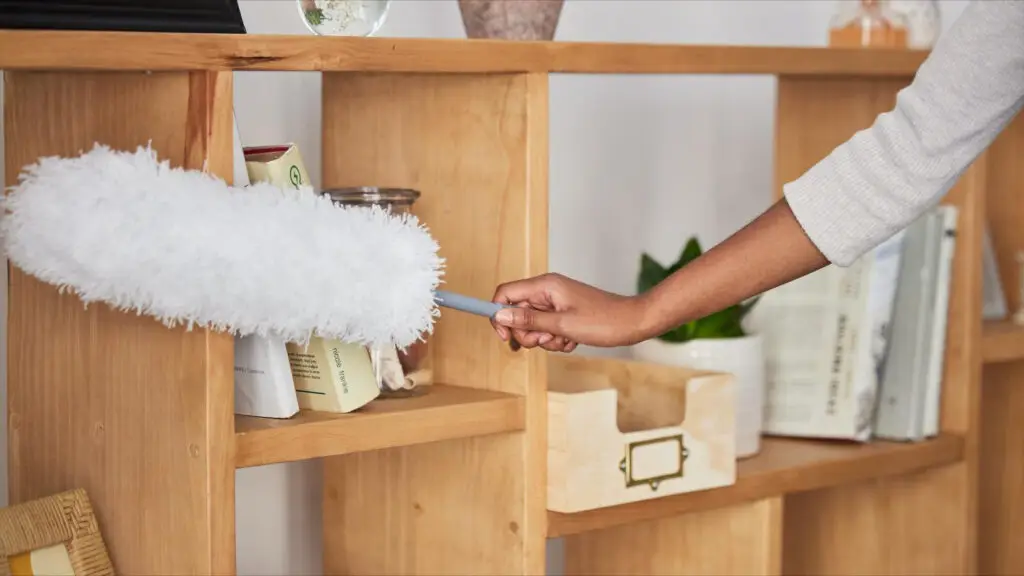
Dust appears on your shelves a day after you clean them. You wipe a surface down and within 48 hours it looks untouched. This is not a failure on your part. Indoor dust accumulation is a constant, ongoing process driven by factors most homeowners never consider. Understanding why it happens so fast is the first step toward controlling it effectively.
Indoor dust accumulation affects every home — regardless of how clean it looks on the surface. It carries allergens, bacteria, dead skin cells, and outdoor pollutants that settle silently into every corner of your living space. For Martha’s Vineyard homeowners especially, coastal air, seasonal winds, and high foot traffic from vacation guests accelerate the process significantly. Read on to discover the five main reasons dust builds up faster than you think — and what you can do about it.
1. Your HVAC System Circulates Dust Constantly
How forced air systems drive indoor dust accumulation
Your heating and cooling system is one of the leading causes of rapid indoor dust accumulation. Every time the system runs, it pulls air through return vents, passes it through a filter, and pushes it back into every room in your home. If the filter is dirty or the ducts contain debris, that air carries dust particles with it. Therefore, your HVAC system can spread dust faster than it collects it.
Dust settles on surfaces within hours of a cleaning session precisely because the air is still moving. Furthermore, older duct systems or those that have not been professionally cleaned accumulate significant debris over time. Each time the system activates, it dislodges particles and reintroduces them into your indoor air. Consequently, indoor dust accumulation continues around the clock — even while you sleep.
To reduce HVAC-driven indoor dust accumulation, you should:
- Replace air filters every one to three months depending on usage
- Choose a filter with a MERV rating of 8 or higher for better particle capture
- Have your ducts professionally inspected and cleaned every three to five years
- Keep return vent grilles clean and free of visible dust buildup
- Run the fan on a lower setting to reduce air agitation between heating and cooling cycles
Additionally, sealing gaps around duct connections reduces the amount of unfiltered air that enters the system. This is one of the most effective dust removal tips for homeowners dealing with persistent indoor dust accumulation.
2. Foot Traffic and Human Activity Generate More Dust Than You Realize
Every person who walks through your home brings dust inside. Shoes carry soil, pollen, and outdoor particles from driveways, gardens, and streets directly onto your floors. Moreover, clothing releases fibers continuously throughout the day. Human skin sheds dead cells every hour. Pet fur and dander add additional layers of particulate matter to every surface in the home.
This means that indoor dust accumulation is directly proportional to how many people use your space and how frequently. For vacation rental hosts on Martha’s Vineyard, this is a particularly significant factor. High guest turnover introduces new sources of dust with every stay. Consequently, consistent cleaning routines become essential rather than optional in high-traffic properties.
Dust removal tips for high-traffic homes
Reducing activity-driven indoor dust accumulation requires a combination of habits and tools. Consider these practical dust removal tips:
- Place quality doormats at every entry point and clean them weekly
- Implement a no-shoes policy inside the home or provide indoor slippers for guests
- Vacuum upholstered furniture weekly, as fabric holds fibers and releases them into the air
- Wash bedding every week to reduce the contribution of skin cells and fabric fibers
- Groom pets regularly and wash pet bedding frequently to control dander
Furthermore, hardwood and tile floors show dust more quickly than carpet but are actually easier to keep clean. Carpet traps dust particles deep in its fibers, making thorough removal much harder. Therefore, regular vacuuming with a HEPA-filter vacuum is one of the most impactful dust removal tips for carpeted homes dealing with persistent indoor dust accumulation.
3. Windows, Doors, and Ventilation Let Outdoor Particles In
Coastal air and indoor dust accumulation on Martha’s Vineyard
Outdoor air is one of the primary sources of indoor dust accumulation. Every time you open a window or door, pollen, soil particles, mold spores, and fine debris enter your home. In coastal environments like Martha’s Vineyard, salt particles, sea spray residue, and wind-driven sand add to the mix. Therefore, homes in this region experience a higher rate of indoor dust accumulation than properties in more sheltered inland locations.
Window screens filter large debris but allow fine particles to pass through freely. Moreover, gaps around window frames and door seals create invisible entry points for outdoor dust and allergens. Over time, these particles settle on every horizontal surface in the home — shelves, countertops, furniture, and floors — contributing to ongoing indoor dust accumulation.
Ventilation and indoor air quality
Proper ventilation is essential for indoor air quality and overall health. However, it also introduces outdoor particles into your living space. The key is balance. Use exhaust fans in kitchens and bathrooms to remove moisture and cooking vapors without pulling in excessive outdoor debris. Additionally, consider installing window filters or fine mesh screens to reduce the volume of particles entering through open windows.
Sealing gaps around window frames and exterior doors with weatherstripping significantly reduces the entry of outdoor dust. Consequently, this single home improvement step can noticeably slow indoor dust accumulation — particularly in older properties that have not been updated in several years.
4. Soft Furnishings and Fabrics Release Particles Continuously
How upholstery and textiles contribute to indoor dust accumulation
Sofas, curtains, rugs, cushions, and bedding are among the largest contributors to indoor dust accumulation inside any home. Fabric fibers break down gradually over time and release microscopic particles into the air with every use. When you sit on a sofa, shake a cushion, or walk across a rug, you release a burst of fibers and trapped dust back into your indoor air.
This is why indoor dust accumulation often seems worse in furnished rooms than in empty spaces. The more soft furnishings a room contains, the more rapidly surfaces in that room collect dust. Furthermore, curtains and drapes are particularly significant sources — they move constantly with air currents and release fibers throughout the day.
To minimize fabric-driven indoor dust accumulation, follow these dust removal tips:
- Wash curtains and drapes every one to three months
- Vacuum sofas, armchairs, and cushions weekly using an upholstery attachment
- Beat or shake rugs and doormats outside regularly
- Choose washable slipcovers for frequently used furniture
- Opt for roller blinds or shutters instead of heavy fabric drapes where possible
Moreover, decorative items like throw pillows, blankets, and fabric wall hangings trap dust silently. Therefore, reducing the volume of soft furnishings in high-use areas is one of the most effective long-term strategies for managing indoor dust accumulation. This is especially relevant for vacation rental properties, where minimizing dust-trapping surfaces also simplifies the turnover cleaning process between guest stays.
5. Inconsistent Cleaning Allows Dust Layers to Compound
Why gaps in consistent cleaning routines accelerate indoor dust accumulation
Indoor dust accumulation does not progress at a steady rate. It compounds. A thin layer of dust on a shelf attracts and holds additional particles more effectively than a clean surface. Therefore, the longer a surface goes without cleaning, the faster it accumulates a new layer. This is why a home that has been left unattended for two weeks often appears far dirtier than two weeks of gradual buildup would suggest.
Consistent cleaning routines break this cycle. When surfaces are cleaned regularly, dust does not have the opportunity to compact and bond to surfaces. Furthermore, regular cleaning reduces the total volume of airborne particles in the home by removing source material before it re-enters the air. Consequently, homes with consistent cleaning routines experience noticeably slower indoor dust accumulation than those cleaned irregularly.
Healthier home cleaning services for consistent results
Many homeowners struggle to maintain the consistency needed to control indoor dust accumulation effectively. Life gets busy. Seasonal properties sit empty for months between visits. Rental properties turn over too quickly for thorough cleaning between guests. In all of these situations, healthier home cleaning services provide the professional support needed to maintain genuinely clean indoor air and surfaces.
Healthier home cleaning services go beyond surface wiping. They address the sources of indoor dust accumulation directly — vacuuming upholstery, cleaning vents, washing curtains, and reaching areas that standard cleaning routines miss. Therefore, scheduling regular professional visits is one of the most reliable ways to keep indoor dust accumulation under control year-round.
Practical steps to support consistent cleaning routines at home include:
- Dusting all surfaces weekly with a microfiber cloth, working from top to bottom
- Vacuuming all floors twice a week in high-traffic areas
- Wiping down vents and fan blades monthly
- Washing all bedding and soft furnishings on a regular schedule
- Booking a professional deep clean at the start and end of each season
Breathe Easier
Indoor dust accumulation never fully stops. However, it can absolutely be managed. Understanding the five key drivers — your HVAC system, human activity, outdoor air infiltration, soft furnishings, and inconsistent cleaning — gives you the knowledge to take targeted, effective action. Furthermore, combining smart home habits with consistent cleaning routines dramatically reduces the volume of dust your family breathes every day.
The impact of indoor dust accumulation on health is real. It triggers allergies, aggravates asthma, reduces sleep quality, and lowers overall indoor air quality. Therefore, treating indoor dust accumulation as a health priority — not just a cosmetic one — changes how you approach cleaning entirely. Moreover, the benefits extend to every person who lives in or visits your home.
At ICP Cleaning Services, we deliver healthier home cleaning services designed specifically for Martha’s Vineyard properties. From seasonal deep cleans to consistent weekly routines, our team targets indoor dust accumulation at its source. Contact us today to build a cleaning plan that keeps your home’s indoor air clean, fresh, and genuinely healthy all year long.