Deep cleaning is not simply a more thorough version of your regular routine. It is a fundamentally different process — one that targets the embedded dirt, bacteria, allergens, and contaminants that accumulate in your home over months and years. Regular cleaning maintains surface appearance. Deep cleaning restores the health of your home from the inside out.
On Martha’s Vineyard, the coastal environment adds an extra layer of challenge. Salt air, humidity, seasonal allergens, and the demands of rental turnover all accelerate the buildup of contaminants that only deep cleaning can address. This guide walks you through 12 of the most common deep cleaning problems — and gives you practical, proven solutions for every one of them.
Fix #1: Dust Mites and Allergens in Soft Furnishings
Dust mites are one of the most significant and least visible threats deep cleaning addresses. These microscopic pests live in bedding, upholstered furniture, mattresses, and carpets. They feed on dead skin cells and thrive in warm, humid environments. A single gram of household dust can contain thousands of dust mites — and their waste particles are the primary trigger for indoor allergies and asthma.
Why regular vacuuming fails against dust mites
Standard vacuuming removes only surface debris. Dust mites burrow deep into fibers and padding where a household vacuum cannot reach. Furthermore, a vacuum without a HEPA filter simply recirculates the mite allergens back into the air. Consequently, homes vacuumed regularly but never treated professionally can still harbor high allergen levels that affect respiratory health year-round.
Deep cleaning solutions for dust mites and allergens
- Hot water washing: Wash all bedding — including pillow covers, mattress protectors, and duvet covers — in water above 130°F (54°C) weekly. This temperature kills dust mites on contact.
- Mattress treatment: Professional steam cleaning penetrates mattress layers with temperatures that eliminate mites, bacteria, and allergens embedded in the material. This is a core step in any full seasonal session.
- HEPA vacuuming: Use only a vacuum with a certified HEPA filter on carpets, rugs, and upholstered surfaces. HEPA filtration captures particles down to 0.3 microns — small enough to trap dust mite allergens effectively.
- Humidity control: Keep indoor humidity below 50%. Dust mites cannot survive in low-humidity environments. Therefore, a dehumidifier is one of the most cost-effective long-term investments alongside a regular professional cleaning schedule.
Fix #2: Bacteria and Pathogens on High-Touch Surfaces
Bacteria accumulate rapidly on the surfaces your household touches most. Door handles, light switches, appliance controls, TV remotes, and cabinet pulls can harbor thousands of bacteria per square centimeter — yet they are rarely included in a standard routine. Thorough sanitization of high-touch surfaces is essential for a genuinely healthy home.
The most contaminated surfaces in your home
Research consistently identifies these as the highest-bacteria surfaces in any home:
- Kitchen sponges and sink drain areas — the single most bacteria-dense spots in most homes
- Toilet flush handles, faucet taps, and bathroom door handles
- Kitchen appliance handles — refrigerator, microwave, and oven controls
- Light switches and power outlet covers throughout the home
- TV remotes, gaming controllers, and shared electronic devices
Deep cleaning protocol for bacteria elimination
- EPA-approved disinfectants: Use products registered with the EPA for bacteria and virus elimination. Apply the disinfectant and allow the required dwell time — usually 5 to 10 minutes — before wiping. Wiping immediately after application renders most disinfectants ineffective.
- Electrostatic spraying: Professional electrostatic sprayers charge disinfectant particles so they wrap around surfaces and reach areas that hand-wiping misses. This technique is particularly effective for high-touch areas with complex shapes.
- UV sanitization: Professional UV-C light treatment kills bacteria and viruses on surfaces without any chemical residue. It is especially effective for mattresses, upholstery, and electronics that cannot be wiped with liquid products.
- Systematic high-touch audit: During every session, create a written checklist of all high-touch surfaces in each room. Work through the list methodically rather than cleaning by memory — which consistently misses the same spots every time.
Fix #3: Embedded Dirt in Upholstered Furniture
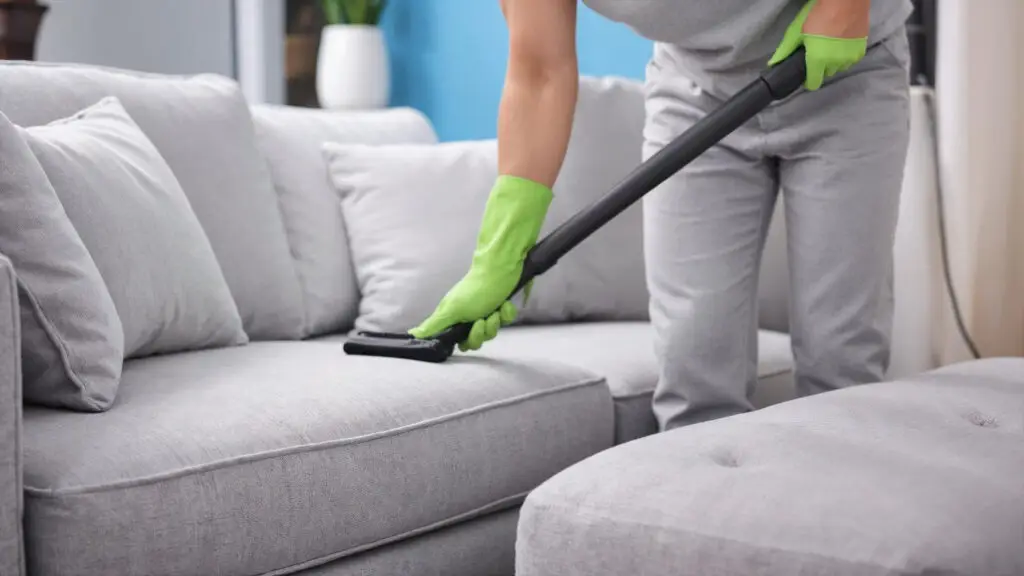
A professional treatment restores both the appearance and hygiene of your furniture. Over months, contamination embeds deep into fabric fibers and foam padding — well beyond the reach of surface vacuuming. Deep cleaning for upholstery restores both the appearance and the hygiene of your furniture.
How upholstery gets contaminated
Every time someone sits on an upholstered surface, skin oils, sweat, hair, and clothing fibers transfer into the fabric. Add pets, food, drink, and dust mite colonies and the result is a surface that looks acceptable on the outside but harbors significant contamination within. Furthermore, in Martha’s Vineyard homes used as seasonal rentals, upholstered furniture turns over with multiple occupants — making a professional clean between tenancies essential.
Upholstery deep cleaning method
- Fabric identification: Check the manufacturer’s cleaning code before any treatment. W means water-based cleaner is safe; S means solvent only; X means vacuum only. Ignoring this during deep cleaning can permanently damage the fabric.
- Pre-treatment: Apply a specialized upholstery pre-spray to visible stains and allow it to dwell for 10 minutes. This loosens embedded soiling before the main extraction phase.
- Hot water extraction: Professional upholstery extraction equipment injects a cleaning solution deep into the fabric and immediately extracts it along with dissolved dirt, allergens, and odors. This is the gold standard for upholstery restoration.
- Enzymatic odor treatment: For pet odors or biological stains, apply an enzymatic cleaner after extraction. These products break down odor-causing organic compounds at a molecular level rather than masking them.
- Fabric protection: After the treatment, apply a fabric protector spray. This creates a barrier that repels future staining and significantly extends the time between professional sessions.
Fix #4: Contaminated Hard Surfaces and Countertops
Effective sanitization of hard surfaces requires the right disinfectant, the correct contact time, and a systematic approach that leaves no area untreated. Hard surfaces look clean long after they stop being clean. Countertops, tiles, cabinet fronts, and bathroom fixtures accumulate bacteria, biofilm, and chemical residue that is invisible to the naked eye.
Hard surface deep cleaning process
- Surface preparation: Remove all visible dirt and grease before applying disinfectant. Organic matter neutralizes most disinfectants on contact, making the pre-clean essential before the sanitizing step in any sequence.
- Disinfectant selection: Match the product to the surface. Bleach-based disinfectants are highly effective on non-porous surfaces but damage stone, natural materials, and chrome. Quaternary ammonium disinfectants are safer for a wider range of finishes and are the professional standard for mixed-surface kitchens and bathrooms.
- Contact time discipline: Apply the disinfectant and leave it undisturbed for the full contact time on the label — typically 5 to 10 minutes. Wiping immediately is the single most common sanitizing mistake and renders the product largely ineffective.
- Grout lines: Tile grout is porous and harbors bacteria, mold, and mineral deposits deep within its structure. Use a grout-specific cleaner and a stiff brush during each session. Seal all grout lines after cleaning to prevent recontamination.
- Final rinse: On food preparation surfaces, rinse with clean water after disinfection to remove chemical residue before use.
Fix #5: Mold and Mildew Growth Throughout the Home
Mold is one of the most serious problems deep cleaning must address. It grows wherever moisture and poor ventilation combine — bathrooms, kitchens, window sills, basements, and behind appliances. Mold releases spores that are linked to respiratory problems, allergic reactions, and chronic health issues. Surface deep cleaning alone is not enough when mold has penetrated porous materials.
How mold establishes itself
Mold spores are present in every home. They activate and multiply when humidity exceeds 60% and surfaces stay damp for more than 24 to 48 hours. In Martha’s Vineyard’s coastal climate, this threshold is easily reached — particularly in bathrooms, kitchens, and spaces closed up between seasonal occupancies. Therefore, mold prevention and remediation are recurring priorities in professional cleaning on the island.
Mold remediation as part of deep cleaning
- Moisture assessment first: Identify and fix the moisture source before any cleaning begins. Deep cleaning mold without addressing the cause guarantees it returns within weeks.
- Surface mold removal: Apply a fungicidal cleaner to affected areas and allow it to dwell for 10 minutes. Scrub with a stiff brush, then rinse thoroughly. For non-porous surfaces, this approach eliminates visible mold completely.
- Porous materials: Grout, caulk, and drywall that have been colonized by mold cannot be cleaned — they must be replaced. Deep cleaning removes surface mold, but mold embedded in porous material will continue to grow regardless of how often the surface is cleaned.
- HEPA filtration during removal: Use a HEPA vacuum and keep the area well ventilated during mold removal. Disturbing mold without filtration releases spores into the air and spreads the problem to new areas of the home.
- Prevention after treatment: Apply a mold-resistant sealant to cleaned surfaces. Improve bathroom and kitchen ventilation. Run a dehumidifier in high-risk spaces during humid months.
Fix #6: Poor Indoor Air Quality
Indoor air quality is directly affected by the cleanliness of your home’s surfaces, fabrics, and ventilation systems. Dust, mold spores, pet dander, volatile organic compounds, and cooking residue all circulate in the air you breathe every day. Deep cleaning that addresses these sources — rather than just visible surfaces — makes a measurable difference to respiratory health and overall comfort.
Air quality improvements through deep cleaning
- HVAC duct cleaning: Construction dust, mold spores, pet dander, and accumulated debris in ductwork recirculate through the home with every heating or cooling cycle. Professional duct cleaning removes this source completely and should be included in any comprehensive service for a Martha’s Vineyard property.
- Filter replacement: Replace HVAC filters with high-MERV rated filters after each session. MERV 11 or higher captures fine particles including pollen, mold spores, and pet dander that lower-rated filters allow to pass through.
- Ventilation fan cleaning: Clean kitchen range hood filters and bathroom exhaust fan covers during every session. Clogged fans reduce airflow, trap moisture, and allow cooking vapors and humidity to settle on surfaces throughout the home.
- Air purifier deployment: After each session, run a HEPA air purifier in each room for 24 to 48 hours. This captures the fine particles disturbed during the process and restores indoor air quality to its best possible level.
- Humidity management: Maintain indoor humidity between 40% and 50%. This range inhibits dust mite reproduction, discourages mold growth, and reduces airborne allergens — reinforcing and extending the benefits of every thorough cleaning session.
Fix #7: Neglected Kitchen Deep Cleaning Zones
The kitchen harbors some of the most heavily contaminated surfaces in any home — yet many are never reached by routine cleaning. A proper kitchen deep cleaning targets the zones that accumulate grease, bacteria, and organic matter between regular sessions. These spots are consistently missed and consistently cause odor and hygiene problems.
Kitchen areas that require deep cleaning attention
- Behind and underneath appliances: Refrigerators, ovens, and dishwashers conceal months or years of grease, food debris, and dust. Pull every appliance away from the wall at each session and vacuum and damp-mop the exposed floor and wall areas.
- Refrigerator condenser coils: Dusty coils reduce the refrigerator’s efficiency and can cause the motor to overheat. Vacuum coils thoroughly at every visit — either at the back of the unit or underneath it depending on the model.
- Cabinet interiors and tops: Cabinet tops accumulate a thick layer of greasy dust. Cabinet interiors collect crumbs, spills, and moisture. Empty all cabinets during the kitchen session and wipe every interior surface before restocking.
- Range hood and filters: Grease-saturated range hood filters are a fire risk and a significant odor source. Remove filters at every session and soak them in hot water with a degreasing dish soap for 20 minutes before scrubbing.
- Garbage disposal interior: Use an enzymatic disposal cleaner combined with ice cubes and citrus peels to remove buildup and eliminate bacterial odors. This simple step is one of the most impactful in any full kitchen treatment.
Fix #8: Bathroom Deep Cleaning Beyond the Obvious
Bathroom deep cleaning goes significantly further than scrubbing the toilet and wiping the sink. Bathrooms are the highest-moisture rooms in any home — which means mold, mineral deposits, and bacteria accumulate in areas that standard cleaning never reaches. Addressing these hidden zones is what separates a surface clean from a genuine deep cleaning.
Bathroom zones that need deep cleaning attention
- Exhaust fan cover and housing: Remove the fan cover and vacuum out all accumulated lint and dust. A blocked exhaust fan cannot remove moisture effectively — which accelerates mold growth and undermines every other bathroom cleaning effort.
- Toilet base and floor area: Urine residue absorbs into grout and caulk around the toilet base over time. Scrub the full floor area around and behind the toilet. Replace deteriorated caulk at every deep cleaning to permanently remove this odor source.
- Showerhead interior: Mineral deposits accumulate inside showerhead nozzles and reduce water pressure. Remove the showerhead and soak it in white vinegar for two hours during deep cleaning to dissolve all internal buildup.
- Tile grout throughout: Shower grout absorbs soap scum, moisture, and mold continuously. Scrub with a grout-specific cleaner and a stiff brush, then apply a penetrating grout sealer to protect the porous surface after each session.
- Under-sink cabinet: Check under-sink cabinets for moisture damage, mold, and leaks at every visit. Wipe the interior thoroughly, including pipe fittings. This space is consistently overlooked and frequently harbors the mold and musty odors that surface cleaning elsewhere cannot resolve.
Fix #9: Carpet Deep Cleaning and Odor Removal
Carpets function as a filter for your home’s indoor environment — trapping dust, allergens, pet dander, and biological contaminants deep in their fibers. Regular vacuuming maintains this filter to a degree, but it never empties it. Periodic carpet deep cleaning is the only way to fully restore a carpet’s hygiene and appearance.
Effective carpet deep cleaning methods
- Hot water extraction: This is the most effective carpet deep cleaning method available. Professional equipment injects a heated cleaning solution deep into the pile and extracts it immediately along with dissolved dirt, allergens, bacteria, and odors. It outperforms dry cleaning and foam shampooing significantly in terms of contaminant removal.
- Pre-treatment for stains: Apply a targeted pre-spray to all visible stains and allow it to dwell before extraction. Skipping pre-treatment consistently leaves residual staining that sets permanently after drying.
- Grooming after extraction: Rake the carpet pile in one direction after extraction. This speeds drying, lifts the fibers, and produces a more uniform appearance once the work is complete.
- Rapid drying: Open windows and run fans to dry carpets within six hours. Slow-drying carpets develop mildew, which recreates the odor and hygiene problem you have just resolved.
- Area rug care: Area rugs require the same thorough attention as fitted carpet. In Martha’s Vineyard homes with wood floors, area rugs trap a disproportionate amount of the home’s total allergen load and should be included in every deep cleaning schedule.
Fix #10: Windows, Walls, and Baseboards
Windows, walls, and baseboards are rarely given proper attention in any routine maintenance schedule. Yet they accumulate significant contamination — cooking grease on walls near the kitchen, salt film on windows facing the ocean, dust and grime on baseboards throughout. Addressing these surfaces transforms a home’s overall brightness, cleanliness, and air quality.
How to deep clean walls, windows, and baseboards
- Walls: Wipe all walls from top to bottom with a lightly damp microfiber cloth during each session. Pay particular attention to the area behind furniture, above radiators, and near cooking zones where grease and dust accumulate fastest.
- Windows and sills: Clean interior glass with a two-stage method — degreaser first, then streak-free glass cleaner with a squeegee. On Martha’s Vineyard, salt film from ocean air builds on window exteriors between deep cleaning sessions and requires a degreaser to remove fully.
- Baseboards: Vacuum baseboards first with a brush attachment to remove loose dust. Then wipe with a damp cloth to remove the greasy layer that traps dust between sessions. Pay special attention to corners, where dust compacts into a hard, visible deposit over time.
- Light fixtures and ceiling fans: Remove covers from ceiling lights and wipe the interior. Clean fan blades thoroughly — the upper surface of each blade accumulates a dense layer of dust that disperses into the air each time the fan is turned on. This is a priority step at every visit.
Fix #11: Laundry Area and Appliance Deep Cleaning
Washing machines, dryers, and laundry areas require dedicated attention in any deep cleaning session. These appliances develop mold in seals, lint buildup in ducts, and soap scum inside drums — problems that affect both performance and hygiene. Moreover, neglecting laundry appliances during this process leads to odors that transfer directly onto freshly washed clothing.
Laundry appliance deep cleaning steps
- Washing machine drum: Run an empty hot cycle with two cups of white vinegar, followed by a second hot cycle with half a cup of baking soda. This combination dissolves soap scum, kills mold, and deodorizes the drum thoroughly at each session.
- Door seal on front-loaders: Pull back the rubber door seal and inspect for black mold. Wipe thoroughly with a bleach solution. Mold in the door seal is the most common source of musty odors from front-loading washing machines and must be addressed at every deep cleaning.
- Detergent drawer: Remove the drawer completely and soak it in hot, soapy water. Mold and detergent residue accumulate rapidly in the drawer housing and contribute to machine odors.
- Dryer lint duct: Disconnect the dryer from the wall and vacuum the full length of the exhaust duct during every deep cleaning. Lint accumulation in the duct is the leading cause of residential dryer fires — making this one of the most safety-critical steps in any home deep cleaning schedule.
- Laundry room floor and shelving: Pull the appliances away from the wall and clean the floor and wall areas behind them. These spaces accumulate lint, detergent residue, and moisture that create odor and mold issues between sessions.
Fix #12: Seasonal Deep Cleaning for Martha’s Vineyard Properties
Martha’s Vineyard properties face a cleaning challenge unlike most inland homes. The coastal environment deposits salt, moisture, and organic material on every surface continuously. Seasonal occupancy patterns mean that some properties sit closed for months, allowing dust, humidity, and mold to establish themselves unchecked. A scheduled, seasonal deep cleaning is therefore not just a good habit — it is a practical necessity for any property on the island.
Seasonal deep cleaning priorities for island properties
- Pre-season opening clean: Before occupying a property that has been closed for winter, a full deep cleaning is essential. Focus on HVAC systems, all soft furnishings, bathroom mold, and kitchen appliances. Salt air infiltration and condensation during the closed period create conditions that affect air quality and surface hygiene significantly.
- Post-season closing clean: At the end of the season, a thorough deep cleaning protects the property during the closed period. Clean all appliances, address any mold in bathrooms and kitchens, and treat soft furnishings before covering or closing the property.
- Rental turnover treatment: For properties used as seasonal rentals, a deep cleaning between tenancies is essential — not optional. Guest traffic accelerates the accumulation of bacteria, odors, and surface wear beyond what a standard turnover clean can address.
- Salt air surface treatment: Exterior-facing windows, door hardware, and metal fixtures require specific attention at every seasonal session on Martha’s Vineyard. Salt deposits accelerate corrosion on metal and etch glass over time. Clean all exposed metal and glass thoroughly at each visit.
- Humidity remediation: After a humid summer or a damp winter closure, inspect all closets, under-sink cabinets, and basement spaces for mold and moisture damage. Address any mold before it spreads during the next occupancy period. This preventive step is a defining feature of professional seasonal care on Martha’s Vineyard.
Your Home Deserves More Than a Surface Clean
Deep cleaning is an investment in the health, comfort, and longevity of your home. Regular cleaning maintains appearances — deep cleaning restores the foundation beneath them. When deep cleaning is done thoroughly and on a consistent schedule, the results are visible, measurable, and lasting. Allergen levels drop. Surfaces stay cleaner for longer. Odors disappear at their source. The air in your home genuinely improves.
Martha’s Vineyard homeowners and property managers face a specific combination of coastal conditions, seasonal demands, and rental responsibilities that make professional deep cleaning more valuable here than in most places. ICP Cleaning Services provides comprehensive deep cleaning across all island communities — from Edgartown and Vineyard Haven to Aquinnah, Chilmark, and Oak Bluffs. We bring the right equipment, the right products, and the right expertise to every job.
Apply these 12 fixes systematically. Build a seasonal deep cleaning schedule that reflects your property’s specific needs and usage pattern. And when the scope of the work calls for professional expertise — or when time simply does not allow for the thorough approach this work demands — ICP Cleaning Services is ready to deliver a deep cleaning that gets every detail right. Your home, and everyone who lives in it, deserves nothing less.