
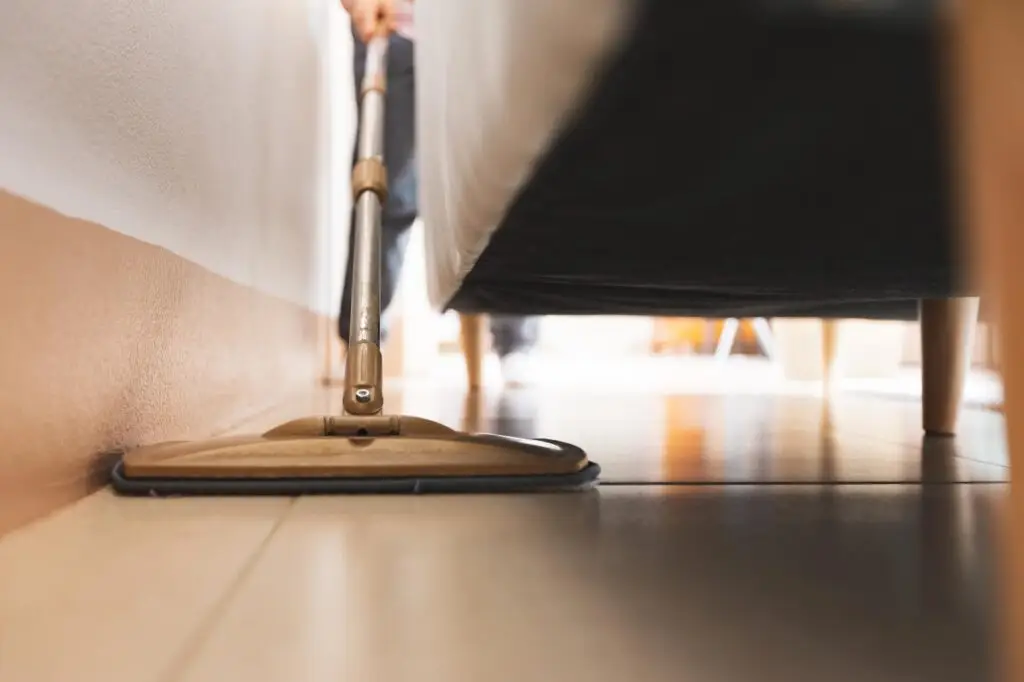
Winter in Massachusetts brings a unique set of challenges for homeowners, ranging from tracked-in salt and mud to the inevitable accumulation of indoor dust caused by heating systems. While we often focus on the obvious messes on our floors and countertops, the perimeter of our rooms frequently goes unnoticed until the buildup becomes undeniable. Consequently, maintaining a healthy indoor environment requires paying close attention to the areas where dust settles most stubbornly, specifically the woodwork that frames your living space.
Ignoring these areas can lead to a dull appearance in your home and, more importantly, can negatively impact indoor air quality as heaters circulate trapped allergens. Therefore, incorporating a consistent routine for baseboard and trim cleaning is essential for a truly clean home. By adopting a few pragmatic strategies, you can transform this often-dreaded chore into a manageable and satisfying part of your winter maintenance schedule, ensuring your home feels welcoming and secure against the elements.
Why Winter Demands Detailed Home Scrubbing
During the colder months, our homes are sealed tight to conserve heat, which inadvertently traps pollutants and particulate matter inside. Furthermore, the “stack effect” created by heating systems causes warm air to rise and cool air to fall, creating a continuous loop that deposits dust directly onto your baseboards. Because of this airflow pattern, baseboard and trim cleaning becomes significantly more important in January and February than in the summer months when windows are often open.
If you neglect this task, the layers of dust can harden, especially in bathrooms or kitchens where humidity levels fluctuate. This turns a simple dusting job into a requirement for detailed home scrubbing. To prevent this, it is crucial to understand that the woodwork in your home acts as a shelf for everything floating in the air. Regular attention to baseboard and trim cleaning prevents the buildup from becoming a breeding ground for dust mites, which is particularly important for families with allergies.
The Essential Tools for the Job
Before diving into the actual cleaning process, gathering the right equipment is vital for efficiency and safety. You do not need an arsenal of expensive chemicals; in fact, a pragmatic approach favors simple, effective tools that you likely already own. Successful baseboard and trim cleaning relies more on technique and consistency than on harsh products.
Here is a list of recommended tools to have on hand:
- High-Efficiency Vacuum: A vacuum with a brush attachment is your first line of defense.
- Microfiber Cloths: These trap dust rather than spreading it around.
- Cotton Swabs: Essential for tight corners and detailed crevices.
- Gentle Dish Soap: A mild degreaser is perfect for painted wood.
- Dryer Sheets: A surprising tool for repelling future dust.
- Knee Pads or a Gardening Mat: Protect your joints while working low to the ground.
Using the correct tools ensures that your baseboard and trim cleaning efforts yield the best results without damaging the paint or finish of your woodwork. Additionally, having everything ready prevents unnecessary interruptions, allowing you to focus on the task at hand.
Trick 1: The Dry Dusting First Rule
The most common mistake homeowners make is applying a wet cloth to a dusty surface immediately. This inevitably turns the dry dust into a muddy sludge that is difficult to remove and can leave unsightly streaks behind. Therefore, the golden rule of efficient baseboard and trim cleaning is to always remove the dry particulate matter first.
Start by using your vacuum’s brush attachment to run along the top edge and the face of the baseboards. This step removes the bulk of the loose debris, pet hair, and cobwebs. If you do not have a vacuum handy, a dry microfiber cloth or a dedicated duster works well. However, for a truly heavy-duty cleaning result, the suction of a vacuum is superior as it prevents dust from becoming airborne and settling elsewhere.
Once the loose dust is gone, you can assess if further cleaning is needed. In many cases, a thorough dry dusting is sufficient for weekly maintenance. However, if stains or stuck-on grime remain, you can then proceed to wet cleaning methods. Remember, effective baseboard and trim cleaning is a two-step process: remove the dry, then attack the wet.
Trick 2: The Dryer Sheet Hack for Repelling Dust
After you have cleaned the surface, you naturally want the results to last as long as possible. This is where a clever trick involving dryer sheets comes into play. Dryer sheets are designed to eliminate static cling in your laundry, and they can do the exact same thing for your woodwork. Static electricity is one of the primary reasons dust adheres so stubbornly to vertical surfaces.
By rubbing a fresh dryer sheet along your clean baseboards, you leave behind a microscopic anti-static coating. This coating actively repels dust particles, meaning they are more likely to fall to the floor where they can be vacuumed up during your regular routine, rather than sticking to the trim. This simple addition to your baseboard and trim cleaning regimen can keep your baseboards looking cleaner for weeks longer than usual.
Moreover, this trick leaves a subtle, fresh scent in the room, which contributes to that feeling of a “just cleaned” home. It is a low-cost, high-reward strategy that fits perfectly into a pragmatic cleaning routine. For those who prefer cleaning services Massachusetts residents trust, you will often find that professional cleaners utilize similar anti-static methods to ensure long-lasting satisfaction.
Trick 3: Utilizing Cotton Swabs for Tight Corners
Even with the best vacuum attachments, there are certain crevices where dust seems to hide permanently. The corners where baseboards meet, or where the trim meets the door casing, are notorious for collecting grime. Detailed home scrubbing requires paying attention to these small areas, as they can ruin the overall look of a room if left dirty.
This is where cotton swabs (Q-tips) become an invaluable tool for baseboard and trim cleaning. Dip a cotton swab in a mixture of warm water and a drop of dish soap, then run it into the tight corners and crevices. You will be surprised at how much dirt is lifted from these seemingly small areas.
- Precision: Swabs allow you to apply pressure exactly where needed without damaging the surrounding wall paint.
- Efficiency: They are disposable, so you don’t have to worry about cleaning a dirty rag afterward.
- Detail: This step elevates a standard clean to a professional level.incorporating this level of detail into your baseboard and trim cleaning ensures that no speck of dust is left behind. It is a meticulous process, but for those who value a pristine environment, it is worth the extra few minutes per room.
Trick 4: The Magic of Warm Water and Dish Soap
When dry dusting isn’t enough, and you need to tackle scuffs, spills, or sticky residue, avoid reaching for harsh chemical sprays. These can strip the paint or finish off your woodwork over time. Instead, the most effective solution for safe baseboard and trim cleaning is a simple mixture of warm water and a small amount of liquid dish soap.
Dish soap is a surfactant, meaning it breaks the tension between the dirt and the surface, allowing it to be wiped away easily. It is gentle enough for almost all paint types, including semi-gloss and high-gloss finishes commonly found on trim. Dip a microfiber cloth into the solution, wring it out until it is damp (not dripping), and wipe down the baseboards.
Follow this immediately with a dry cloth to remove any moisture. Leaving water on wood or MDF baseboards can cause them to swell or warp over time. This method is the cornerstone of heavy-duty cleaning for woodwork because it removes grease and grime without introducing toxins into your home. It aligns perfectly with a philosophy of safety and care, ensuring your baseboard and trim cleaning is both effective and responsible.
Trick 5: Protecting Your Knees and Back
One of the main reasons homeowners procrastinate on baseboard and trim cleaning is the physical toll it takes. Crawling around the perimeter of your home can be hard on your knees and back. However, prioritizing your physical well-being is just as important as the cleanliness of your home.
To make this task sustainable, always use a cushioned gardening mat or knee pads. This simple equipment change allows you to work for longer periods without discomfort. Additionally, consider using a rolling stool if your space allows, which can significantly reduce the strain on your back.
Alternatively, you can use a long-handled dusting tool or a vacuum extension wand to perform routine baseboard and trim cleaning while standing up. While this might not be sufficient for a deep scrub, it is excellent for maintenance. If the physical demand becomes too great, this is often the point where homeowners consider hiring a dusting and vacuuming service to handle the low-level work.
Trick 6: Addressing Scuff Marks Immediately
Baseboards, by their nature, are located in high-traffic zones where shoes, vacuum cleaners, and furniture legs frequently bump into them. These impacts leave behind unsightly black scuff marks that regular soap and water might not remove. Part of efficient baseboard and trim cleaning involves addressing these marks as soon as you spot them.
A melamine sponge (often called a magic eraser) is the perfect tool for this. Lightly dampen the sponge and gently rub the scuff mark. Be careful not to scrub too hard, as melamine sponges are abrasive and can eventually dull the paint finish if overused. For unpainted or stained wood, use a specialized wood cleaner instead.
If a scuff mark has actually chipped the paint, no amount of cleaning will fix it. In this case, keep a small container of touch-up paint handy. A quick dab of paint is the final step in perfect baseboard and trim cleaning, restoring the trim to a like-new condition. This proactive maintenance prevents the need for costly repainting projects down the line.
When to Consider Heavy-Duty Cleaning Support
There are times when life gets in the way, or the condition of the home requires more than just a standard maintenance routine. If you are moving into a new home, preparing for a sale, or simply haven’t updated your cleaning routine in years, the accumulation of grime on baseboards can be overwhelming. In these instances, heavy-duty cleaning by professionals might be the most pragmatic solution.
Professional cleaners have the tools, manpower, and expertise to handle extensive baseboard and trim cleaning efficiently. They can tackle an entire house in a fraction of the time it would take a homeowner, ensuring that every inch of trim is spotless. This is particularly relevant for cleaning services Massachusetts homeowners rely on, where the standard for cleanliness is high due to the pride taken in local properties.
Outsourcing this specific task can free up your time and ensure that the job is done to a standard that improves the overall hygiene of the home. Whether it is a one-time deep clean or recurring support, professional help can reset the baseline of your home’s cleanliness, making your future maintenance efforts much easier.
The Role of Air Filtration
While manual baseboard and trim cleaning is necessary, you can reduce the frequency of this chore by improving your home’s air filtration. Since baseboard dust is largely composed of airborne particles that have settled, removing those particles from the air before they land is a smart strategy.
Ensure that you are changing your HVAC filters regularly, especially during the winter months. High-quality filters trap dust, pollen, and pet dander, significantly reducing the amount of debris that ends up on your woodwork. Furthermore, consider using standalone air purifiers in high-traffic rooms.
By combining active air filtration with a routine baseboard and trim cleaning schedule, you attack the problem from both sides. This holistic approach is often recommended by experts in detailed home scrubbing as it prolongs the cleanliness of the home and promotes a healthier living environment.
Maintaining Results Between Deep Cleans
Consistency is the key to efficiency. If you wait until the baseboards are visibly gray with dust, the cleaning process will be long and arduous. However, if you integrate a quick pass over the baseboards into your weekly routine, baseboard and trim cleaning becomes a task that takes seconds per room.
Make it a habit to run the vacuum brush over the baseboards every time you vacuum the floors. This prevents the dust from adhering and hardening. Additionally, spot-check for spills or splashes in the kitchen and bathroom immediately.
By staying on top of the accumulation, you avoid the need for intense scrubbing sessions. This maintenance mindset is central to effective home care. It transforms baseboard and trim cleaning from a dreaded seasonal project into a minor detail of your weekly upkeep.
Safety and Chemical Awareness
When selecting products for baseboard and trim cleaning, it is important to be mindful of the ingredients, especially in households with children or pets. As mentioned earlier, warm water and dish soap are usually sufficient. However, if you choose to use commercial cleaners, always read the labels.
Avoid products with high volatile organic compound (VOC) content, as these can off-gas into your home and degrade indoor air quality. Safety is a priority, and using non-toxic cleaners is a responsible choice. This aligns with the values of many cleaning services Massachusetts offers, where the health of the occupants is just as important as the appearance of the home.
If you are unsure about a product, test it in an inconspicuous area first to ensure it does not damage the paint or finish. Safe baseboard and trim cleaning protects not only your home’s materials but also the health of everyone living inside.
The Aesthetic Impact of Clean Trim
It is easy to underestimate how much clean baseboards contribute to the overall feel of a room. Even if the floors are polished and the furniture is dusted, dirty baseboards create a “frame” of grime that subconsciously makes the room feel unclean. Conversely, crisp, bright baseboards make the walls look taller and the room look fresher.
Investing time in baseboard and trim cleaning yields a high visual return. It is a detail that guests notice, even if they don’t consciously realize it. For homeowners who take pride in their space, this attention to detail is what separates a tidy house from a truly immaculate one.
Whether you do it yourself or hire a dusting and vacuuming service, ensuring your trim is clean is a critical component of home aesthetics. It reflects a level of care and maintenance that adds value to the property and enhances your enjoyment of the space.
Troubleshooting Common Baseboard Issues
Sometimes, baseboard and trim cleaning reveals underlying issues. You might notice gaps where the caulk has cracked, or areas where moisture has caused the wood to swell. Winter is a good time to identify these problems, as the dry air often causes wood to shrink, revealing gaps.
If you encounter mold or mildew on your baseboards, particularly in damp areas, this requires immediate attention. Clean the area with a mold-killing solution and investigate the source of the moisture. Simply wiping it away is not enough; you must address the root cause.
Regular baseboard and trim cleaning acts as an inspection routine, allowing you to catch these maintenance issues early before they become expensive repairs. It is a proactive measure that saves money and preserves the integrity of your home.
Adapting for Different Materials
Not all baseboards are created equal. While painted wood is common, you might also have stained wood, vinyl, or tile baseboards. Each material requires a slightly different approach to baseboard and trim cleaning.
- Stained Wood: Avoid excessive water. Use a specialized wood cleaner or polish to nourish the wood while cleaning it.
- Vinyl: Very durable and can handle more moisture, but susceptible to scratching.
- Tile: Often found in bathrooms; grout lines need to be scrubbed to prevent discoloration.
Understanding the material you are working with ensures that your baseboard and trim cleaning efforts are safe and effective. Tailoring your method to the material prevents damage and ensures a long-lasting finish.
The Final Polish
Ultimately, keeping your home’s perimeter pristine during the winter doesn’t have to be an overwhelming chore. By utilizing the right tools, such as vacuum attachments and dryer sheets, and adhering to the “dry dust first” rule, you can master baseboard and trim cleaning with minimal effort. These tricks not only enhance the visual appeal of your living space but also contribute significantly to a healthier indoor environment by reducing allergens.
Whether you choose to tackle this project yourself or enlist the help of a professional dusting and vacuuming service, the result is a home that feels fresher, brighter, and more welcoming. Remember, the key is consistency; a little bit of attention goes a long way.