
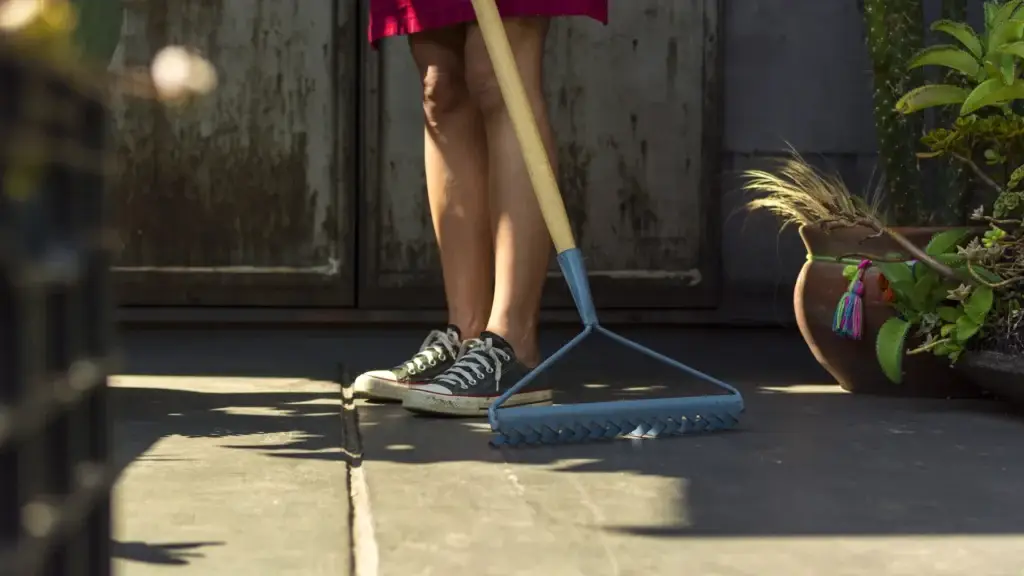
A Martha’s Vineyard property that has been closed since October is a different kind of cleaning challenge than one that has been in regular use. Salt air, off-season humidity, and months without ventilation create conditions that accumulate quietly and become visible only when the first guests walk in.
Summer property opening on Martha’s Vineyard is not a spring cleaning project in the ordinary sense. It is a systematic reset of a coastal home that has been sitting idle through one of the most environmentally demanding seasons in New England.
What a closed coastal property accumulates over winter
Understanding what happens to a closed island home over fall and winter helps prioritize where to start and what to expect during the opening process.
Salt air does not stop at sealed windows. It enters through small gaps, settles on interior glass, and leaves a fine haze on mirrors and window panes. This film is invisible in low light and obvious in direct sun, which is exactly the light guests will see it in during a July afternoon.
Humidity cycles through condensation and evaporation over months of closure, leaving mineral deposits on faucet aerators, showerheads, and tile grout. In bathrooms without regular ventilation, grout lines can develop mold colonies that are not visible during a quick walkthrough but become apparent once the room is in use and humidity rises again.
Appliances that have sat idle accumulate internal odors. A refrigerator unplugged and left with the door closed develops mildew. A washing machine with residual water in the drum or gasket grows mold that transfers to the first load of guest laundry. A dishwasher that was not fully emptied before closure leaves mineral film on the interior.
Dust settles on every horizontal surface: ceiling fan blades, the tops of cabinet doors, baseboards, window sills, and the backs of shelving units. In a closed home, it sits undisturbed for months and bonds to surfaces more firmly than fresh accumulation.
These are the conditions that a summer property opening on Martha’s Vineyard has to address before the first guest arrives.
Timing: when to schedule the opening clean
The most common mistake in seasonal property preparation is scheduling the opening clean too early. A property cleaned six weeks before the first booking collects another month of dust before anyone arrives. A property cleaned the day before arrival leaves no buffer for repairs, restocking, or anything that takes longer than expected.
For most Martha’s Vineyard vacation properties, the right window for the full summer property opening process is one to two weeks before the first arrival or booking. This allows time to:
- Complete any repairs identified during the walkthrough
- Order replacement supplies or linens if anything needs replacing
- Allow fresh paint or treated surfaces to off-gas fully
- Schedule a follow-up visit if any area needs additional attention
Off-island owners who cannot be present for the opening process should coordinate this timing with their cleaning team, confirm that the team will document the property condition, and arrange for any tradespeople to be contacted if the walkthrough identifies maintenance issues.
Room-by-room: what a seasonal opening requires
Kitchens after months of closure
Kitchens are the highest-priority room in a seasonal opening because they show the effects of closure in the most ways simultaneously.
Start with the refrigerator. Remove all shelves and drawers, wash them separately, and wipe every interior surface before restocking. Check the door gasket for mold, which develops when moisture is sealed inside during closure. Run the dishwasher through an empty cleaning cycle before using it for guest dishes.
Clean inside the oven, including the door glass, the racks, and the area beneath the bottom element. Descale the coffee maker and any other appliances that use water. Check the range hood filter: grease filters accumulate residue over a full season of use and should be cleaned or replaced annually.
Wipe all cabinet fronts, the backsplash, and every countertop surface. Remove items from cabinet shelves and wipe the shelves before restocking them. This is the point in the process where off-season pest activity, moisture intrusion, or expired pantry items become apparent.
Clear and disinfect the sink drain area. Check under the sink for any evidence of water intrusion from the winter: water stains, swelling in the cabinet base, or active moisture around supply lines.
Bathrooms in coastal properties
Coastal bathroom surfaces after months of closure require targeted treatment rather than a standard wipe-down. Grout lines, faucet aerators, showerheads, and exhaust fans all show the effects of off-season humidity differently.
Scrub tile grout with a dedicated grout brush and appropriate cleaner. Discoloration that appears faint during cleaning often lightens further once the surface dries. Mold that has established in grout requires longer contact time with the cleaner before scrubbing.
Remove and soak showerheads and faucet aerators in a descaling solution to clear mineral deposits that have built up during closure. These deposits restrict water flow and affect the shower experience in ways guests notice immediately.
Run exhaust fans and clean the vent covers. Dusty or clogged exhaust fans reduce bathroom ventilation, which accelerates mold growth during the high-humidity summer months. A clean fan at the start of the season makes a measurable difference in how the bathroom holds up through July and August.
Bedrooms and soft furnishings
Bedrooms in a closed property require full linen removal and laundering before any guest occupancy. Mattress protectors, pillow protectors, duvets, duvet covers, and all pillow cases should be washed, dried completely, and inspected before being remade.
Check mattress surfaces for any signs of mold or mildew, particularly on the underside and along the edges near the wall. A mattress in a closed coastal bedroom during a humid winter is vulnerable. If any mold is found, the mattress typically needs professional treatment.
Vacuum each mattress before remaking the bed. Dust every bedroom surface from ceiling to floor: fan blades, the tops of picture frames and mirrors, headboards, bedside surfaces, and baseboards. Clean inside closets, including shelves and the floor.
For vacation rental properties, confirm that the closet is clear of any owner personal items before the rental season begins.
Living areas and windows
Living room surfaces accumulate the same dust as the rest of the property, with one addition: window glass. Interior windows in a coastal property collect salt haze over winter that is not removed by standard glass cleaner on the first pass. A two-step cleaning approach, initial treatment to break down the mineral film followed by streak-free finishing, produces results that a single wipe cannot.
Clean all upholstered surfaces by vacuuming seat cushions, undersides, and along the bottom edge of sofas. Launder any removable covers. Inspect the backs and undersides of upholstered pieces for mold, which develops in fabric during high-humidity periods when air circulation is limited.
Vacuum rugs thoroughly, including the edges where dust accumulates along baseboards. Area rugs that show mold on the underside should not be placed back into service without professional treatment.
The property inspection during summer property opening
Summer property opening on Martha’s Vineyard is also the most practical time to inspect for off-season damage. Running the inspection during the cleaning visit, rather than as a separate task, means issues are identified before the first guest arrives and when a professional is already present.
Key areas to inspect:
- Window and door seals: Open every window and door. Check caulking around frames for cracking, inspect screens for tears or bent frames, and confirm that each door seals correctly. Winter temperature changes and moisture cycles expand and contract frames in ways that can compromise seals.
- Under sinks and around appliances: Look for water stains, swelling in cabinet bases, or active moisture around supply lines. A slow leak that developed over winter may have caused damage that is not visible at surface level.
- Appliance function: Run each appliance through a cycle before the property is occupied. Test the dishwasher, oven, washing machine, dryer, and HVAC on both heating and cooling modes. A non-functioning appliance discovered by an arriving guest creates an avoidable problem.
- Pest evidence: Check cabinet corners, behind appliances, and inside closets for droppings, nesting material, or entry points. A closed island property is an attractive winter shelter for mice and insects.
- Soft furnishing mold: Check the backs, undersides, and corners of upholstered furniture, mattresses, and area rugs. Surface mold on hard materials can often be treated with a diluted vinegar solution. Mold that has penetrated fabric typically requires professional assessment.
According to the EPA’s guidance on mold and moisture, moisture control is the key to mold prevention in residential properties. Addressing sources of humidity and ventilation at seasonal opening reduces the risk of mold development during the high-use summer season, when windows are opened frequently and outdoor humidity is high.
Photograph the condition of every room, appliance, and any existing damage during the opening process. Dated photos establish a baseline condition record for the season and provide documentation if any dispute arises over damage.
Exterior areas and first impressions
Outdoor areas are part of the guest experience on Martha’s Vineyard in a way that matters practically. A deck with winter debris, outdoor furniture uncleaned since last October, or an entry path that shows months of neglect signals property condition before a guest steps inside.
Wash down deck surfaces and rinse outdoor furniture. Check for winter damage to screens, outdoor fixtures, or fencing. Clear debris from gutters and drains near the property. Confirm that all exterior lighting functions.
Replace or clean the entry mat. The front door is the first thing every guest sees. A clean entry area costs little and creates an immediate impression of a well-kept property.
What the opening process cannot be compressed into
The seasonal opening of a Martha’s Vineyard coastal property is a multi-hour, multi-system process. A three-bedroom property done thoroughly typically requires eight to twelve hours of work.
Compressing the summer property opening on Martha’s Vineyard into a single rushed afternoon produces results that miss the areas guests notice most: the inside of the refrigerator, the grout between bathroom tiles, the salt haze on window glass, and the mildew smell that develops in a poorly ventilated home. Those details determine whether a guest leaves a five-star review or a complaint about property maintenance.
Once the property is open and in active use, a regular cleaning service on a weekly or biweekly schedule maintains the standard established at opening throughout the summer season. For vacation rental properties, a turnover cleaning between guest stays handles linens, restocking, and the reset each arrival needs.
The opening process establishes the baseline. Everything that follows builds on it.
Frequently asked questions
When should I schedule the opening clean for a Martha’s Vineyard seasonal property? One to two weeks before the first guest arrival or family visit is the recommended window. This allows time to address any maintenance issues, replace supplies, and schedule a follow-up visit if needed, without leaving enough time for significant dust or salt accumulation to return before the property is occupied.
What is the difference between a seasonal opening clean and a regular deep clean? A seasonal opening clean addresses the specific conditions created by months of closure: mold in grout and soft furnishings, mineral deposits in plumbing fixtures, off-season pest evidence, appliance odors, and the salt haze that accumulates on interior glass during winter. A standard deep clean is performed on a property in active use and does not address the same accumulation patterns.
Can I use regular cleaning products on coastal property surfaces? Most standard cleaning products work on coastal surfaces, but some require caution. Natural stone countertops and tile need pH-neutral cleaners to avoid etching. Brass and chrome fixtures should not be treated with abrasive cleaners. Grout descalers need adequate contact time to work on mineral buildup. Using the wrong product on a surface repeatedly causes wear that becomes visible over multiple seasons.
What should I check if the property has been closed since September or October? In addition to the cleaning areas above, check all window and door seals for winter damage, run every appliance before guest arrival, inspect under every sink for moisture intrusion, check soft furnishings for mold development, and look in closed areas for pest evidence. A coastal property that has been closed for seven or eight months warrants more thorough inspection than one closed for three or four.
How long does a complete seasonal opening take for a vacation rental property? For a three-bedroom, two-bathroom property, a thorough opening process covering all rooms, appliances, soft furnishings, windows, and an exterior walkthrough typically takes eight to twelve hours. Larger properties or those with significant accumulation from extended closure take longer. Splitting the work into cleaning and inspection phases across two days is practical for properties that have been closed for a full winter season.