Vacating a rental property is stressful enough without the added anxiety of losing part or all of your security deposit over overlooked cleaning tasks. Many renters assume a quick sweep and a cursory wipe-down are enough to pass inspection, only to face unexpected deductions from their landlord.
Knowing the most common move-out cleaning pitfalls helps you protect your hard-earned money and ensures you hand over a spotless property.
Quick Answer
The most costly move-out cleaning mistakes involve neglecting hidden areas like the inside of kitchen appliances, cabinet interiors, upper baseboards, bathroom soap scum, and wall scuffs. Landlords and property managers conduct meticulous inspections, and failing to clean these high-scrutiny zones often results in hefty professional cleaning fee deductions from your security deposit.
Most Common Cleaning Mistakes
Kitchen
Inside cabinets, refrigerator shelves, oven buildup, sink stains, and greasy surfaces
- The Mistake: Forgetting to wipe down the interior shelving of kitchen cupboards or leaving stubborn baked-on grease inside the oven and microwave.
- How to Fix It: Empty all cabinets completely, vacuum out stray crumbs, and use a safe degreaser on stovetops, oven racks, and the interior refrigerator walls.
Bathroom
Soap scum, toilet buildup, mirror streaks, sink residue, and floor edges
- The Mistake: Overlooking built-up soap scum on shower glass doors, hard water rings around faucets, or dust and hair trapped along floor edges and behind toilets.
- How to Fix It: Apply a specialized bathroom cleaner to break down soap scum and mineral deposits, and scrub bathroom tile grout until spotless.
Walls
Scuff marks, fingerprints, paint-safe cleaning, and when not to scrub
- The Mistake: Leaving black scuff marks, handprints around light switches, or aggressively scrubbing flat paint with harsh chemicals, which strips the paint finish.
- How to Fix It: Use a gentle magic eraser or mild soapy sponge on durable wall finishes, and touch up chipped paint if required by your lease agreement.
Floors
Corners, baseboards, pet hair, sticky spots, and under-appliance areas
- The Mistake: Vacuuming only the center of rooms while leaving heavy dust bunnies, pet hair, and grime accumulated in corners, along baseboards, and beneath heavy appliances.
- How to Fix It: Move portable appliances if possible, run a crevice tool along every baseboard edge, and thoroughly mop hard flooring.
Appliances
Microwave, oven, refrigerator, dishwasher edges, and exterior handles
- The Mistake: Cleaning only the visible exterior of kitchen appliances while ignoring the slimy rubber gaskets inside the dishwasher or food spills inside the microwave.
- How to Fix It: Pull out all removable refrigerator drawers and dishwasher filter traps to clean away hidden food debris.
Landlord Inspection Checklist
Property managers evaluate rental properties against strict standards during checkout. Focus your final efforts on these core inspection zones:
- Rooms & Closets: Completely empty, dust-free shelves, clean windowsills, and clean sliding door tracks.
- Appliances: Fully degreased ovens, spotless refrigerators, and sanitized dishwashers left open slightly to air out.
- Surfaces: Streak-free mirrors, polished countertops, and wiped-down light switch plates.
- Floors: Vacuumed carpets, mopped hard flooring, and dust-free baseboards.
- Trash & Debris: All personal trash, unwanted items, and cardboard boxes completely removed from the property and exterior bins.
Professional Move-Out Cleaning
When hiring help makes sense before the final inspection
If you are pressed for time due to moving logistics, physically exhausted from packing boxes, or renting a property with strict inspection standards, hiring professional cleaners is a smart investment. Professionals possess the specialized tools, commercial degreasers, and systematic checklists required to pass rigorous landlord inspections, safeguarding your full security deposit.
Want to guarantee your move-out inspection goes smoothly and your deposit is fully protected?
Schedule a professional move-out cleaning service with ICP Cleaning Services today!
FAQ
What move-out cleaning mistakes can cost my deposit?
Common deposit-losing mistakes include leaving food residue inside kitchen appliances and cabinets, ignoring bathroom soap scum and hard water stains, leaving wall scuffs, and failing to clean pet hair or dust along baseboards and corners.
Do landlords expect appliances to be cleaned?
Yes. Landlords strictly expect all kitchen appliances—including the oven, stove, refrigerator, microwave, and dishwasher—to be thoroughly cleaned inside and out, free of grease, crumbs, and spills.
Should I clean before or after moving furniture out?
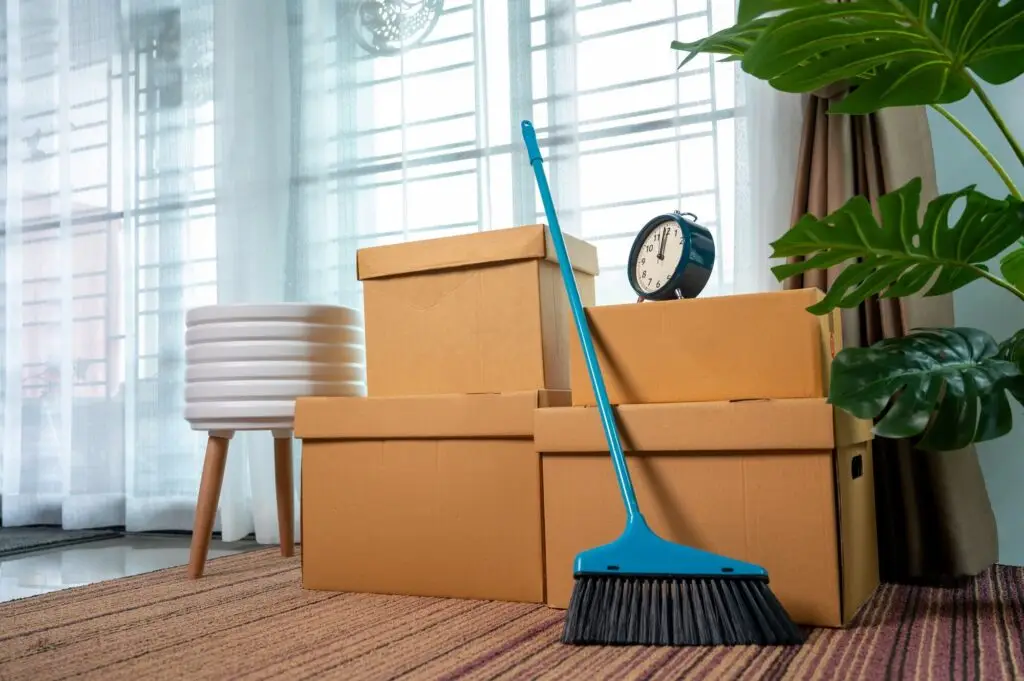
You should always clean after all furniture, boxes, and personal belongings have been completely removed from the home. Cleaning an empty property ensures total access to baseboards, floors, and cabinet interiors.
Can professional move-out cleaning help protect my security deposit?
Yes. Professional move-out cleaners follow rigorous, landlord-approved checklists that eliminate the risk of missing hidden spots like appliance interiors, high baseboards, and bathroom grout.
What should I check before the final walkthrough?
Before your landlord arrives for the walkthrough, check that all trash is removed, appliances are sparkling clean and empty, lights and fans work, walls are free of scuffs, and every floor has been vacuumed and mopped.