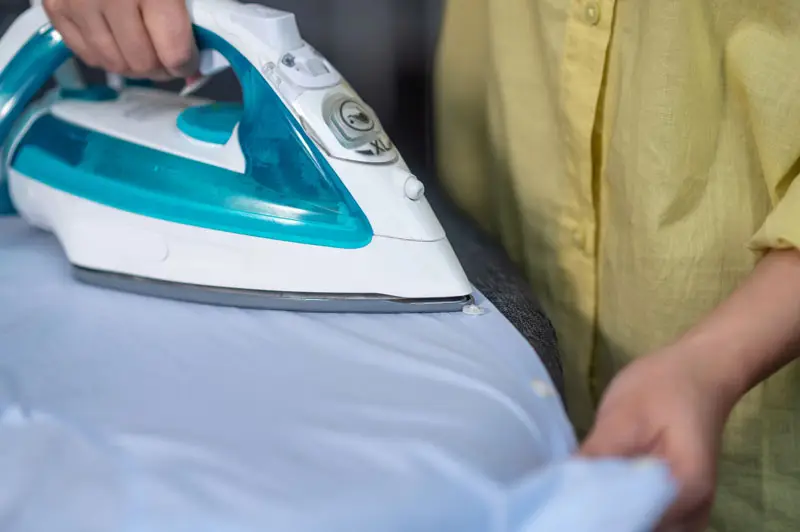
Ironing accumulates quickly on the Vineyard. A weekend on the island means packing, unpacking, and dealing with the wrinkle-intensifying effects of island humidity on fabric. A seasonal property means managing linens for multiple bedrooms across a full summer of guest rotations. A rental property means sheets, duvet covers, and pillowcases that need to look freshly pressed every time a new guest arrives.
Professional ironing service on Martha’s Vineyard addresses all of this systematically. Beyond the volume it handles, professional ironing achieves something that home ironing rarely does: it treats each fabric type correctly, at the right temperature and with the right technique. That precision extends garment and linen life significantly compared to the one-setting approach that most households use by default.
ICP Cleaning has provided professional ironing service on Martha’s Vineyard for over 15 years, working with seasonal homeowners, vacation rental hosts, and year-round island residents across Edgartown, Oak Bluffs, Chilmark, and all six island towns.
What professional ironing service on Martha’s Vineyard includes
A professional ironing service is not the same as handing clothes to someone with a standard household iron. Professional pressing uses equipment and techniques that produce results consistently difficult to replicate at home.
Professional equipment includes:
- Steam presses and rotary irons that deliver consistent, high-volume steam at controlled temperatures
- Precision steam irons with temperature calibration by fabric type
- Pressing boards with appropriate padding that shapes garments rather than flattening them
- Sleeveboard and point presser tools for collar points, sleeve seams, and detail areas
- Pressing cloths for delicate or heat-sensitive fabrics that should not receive direct iron contact
Fabric-specific technique is the core of what separates professional ironing service on Martha’s Vineyard from domestic ironing. The required temperature difference between cotton (around 200°C) and silk (around 110°C) is not a preference. Applying cotton temperatures to silk permanently damages the fiber. Polyester blends, wool, linen, and synthetics each have distinct requirements. Professional technicians identify fabric types and apply the appropriate care protocol before pressing any item.
Professional pressing also accounts for garment construction: which seams should be open, which should be rolled, where a collar or lapel needs to be shaped from the inside rather than pressed from the exterior. This level of attention produces the crisp, structured result that home ironing cannot reliably replicate.
Fabrics and items that benefit most from professional treatment
Not every fabric needs professional ironing. The following categories are those that Martha’s Vineyard homeowners encounter regularly and where professional ironing service produces the clearest results.
Dress shirts and formal shirts
A properly pressed dress shirt has a defined collar, sharp sleeve creases at the correct position, and a smooth body without the sheen caused by pressing at the wrong temperature or with insufficient steam. Professional pressing sets the collar shape over a collarboard, presses cuffs flat with precise crease placement, and finishes the body in sections that address the button placket, collar stand, and side seams separately. The result holds its shape through a full day of wear.
Linen clothing
Linen wrinkles rapidly and severely in humidity. Martha’s Vineyard’s summer conditions mean linen clothing can look worn within hours of being put on. Linen responds exceptionally well to professional ironing service: high-temperature steam applied to slightly damp linen produces a crisp, smooth finish that holds its shape far longer than home-ironed linen.
Professional pressing also protects linen from the scorching that occurs when home ironing applies too much dry heat to dry fabric, a common mistake that creates irreversible shine marks that no cleaning can remove.
Vacation home linens
Bed linens are the most immediately visible element of a guest’s cleanliness experience in a vacation rental. Guests sleeping in clean but visibly wrinkled sheets have a different experience than guests in freshly pressed linens, and that difference appears in reviews.
Professional ironing service for flat sheets, fitted sheets, duvet covers, and pillowcases is time-intensive work that most property managers cannot handle in-house between back-to-back turnovers. Table linens for dining rooms and outdoor entertaining areas follow the same logic. Pressed tablecloths, napkins, and placemats signal a hospitality standard that adds to the impression of the entire property.
Wool and delicate fabrics
Wool garments require pressing technique that shapes rather than flattens the fabric. Pressing from the exterior of a wool garment with a dry iron causes permanent shine, one of the most common forms of at-home fabric damage. The correct method uses a damp pressing cloth on the exterior and presses from the reverse side where possible. This technique is standard in professional ironing service and uncommon in home ironing.
Delicate fabrics, including silk, chiffon, crepe, and fine synthetics, require pressing at low temperatures, often from the reverse side, sometimes through a protective cloth. The margin for error is narrow: excess heat permanently damages the fiber structure.
Reading and following care labels
Care labels on garments are a legal requirement in the United States. Every item sold domestically must include washing, drying, and ironing instructions. Care label symbols communicate the maximum safe iron temperature:
- One dot: low heat, for synthetics, acetate, acrylic, nylon, polyester
- Two dots: medium heat, for polyester blends, wool, silk
- Three dots: high heat, for cotton, linen, viscose
- X through the iron symbol: do not iron; common on embellished garments, some synthetics, and coated fabrics
The consequences of exceeding the recommended temperature vary by fabric. Synthetics melt and suffer permanent surface damage. Silk develops shine marks and weakened fiber. Embellishments can lose adhesion or discolor.
Professional ironing service on Martha’s Vineyard reads the care label on every item before pressing. When a label is missing or illegible, the technician identifies fabric content by texture and behavior and applies the appropriate temperature. The American Cleaning Institute laundry guide covers every care symbol used on US garment labels and is a practical reference for homeowners managing a complex seasonal wardrobe.
The humidity factor on Martha’s Vineyard
Island humidity creates a specific and persistent ironing challenge. Fabrics that hold a pressed finish for a full day in a dry inland climate may begin to relax and re-wrinkle within a few hours in Martha’s Vineyard’s summer humidity.
Professional ironing service on Martha’s Vineyard addresses this in two ways. First, pressing at the correct temperature for each fabric, using sufficient heat and steam to fully relax and reset the fiber rather than temporarily flatten the surface, produces a finish that resists re-wrinkling longer than pressing at a conservative setting. Second, allowing pressed items to hang and cool completely before folding or wearing allows the fabric to set in its pressed configuration. Items folded while still warm from pressing re-wrinkle faster.
Understanding this dynamic is part of what distinguishes professional fabric care from standard home ironing, and it is directly relevant to the conditions that Martha’s Vineyard homeowners manage every summer.
How professional ironing service supports rental property operations
For property managers handling rental turnovers on Martha’s Vineyard, linen management is among the most time-intensive operational tasks. Professionally pressed linens look and feel different from laundered but unironed linens, and guests at the level that rents on the Vineyard notice the difference.
A four-bedroom property doing weekly summer turnovers needs at least two complete linen sets per bed to allow for washing between guests. At peak season, when turnovers happen on consecutive days, the logistics of washing, drying, pressing, and re-staging linens before the next arrival require either significant in-house labor or a professional ironing service on Martha’s Vineyard.
A full linen service from ICP handles:
- Collection of used linens at checkout
- Washing at the correct temperature and cycle for each linen type
- Professional pressing of all flat and fitted sheets, duvet covers, and pillowcases
- Folding and packaging in guest-ready format
- Return delivery coordinated with the property’s turnover schedule
- Identification of damaged linens before they re-enter rotation
This last point matters specifically for rental hosts: a guest discovering a damaged or stained linen at check-in, after everything else has been prepared, produces a disproportionately negative first impression.
Professional ironing service as part of regular housekeeping
Professional ironing service on Martha’s Vineyard works most efficiently as part of a combined wash-and-press service, returning items ready to store or use immediately. The full cycle, wash, dry, and press, eliminates the handoff steps that add time and handling to separate appointments.
Professional ironing is available as a standalone appointment or integrated with regular cleaning visits, so pressing takes place on the same visit as the property clean. It is also available as part of additional cleaning services for homeowners who need garment or linen pressing outside a regular cleaning schedule.
How to prepare items for professional ironing
- Sort by fabric type before handing off: grouping cottons, linens, and delicates separately helps the service work efficiently and apply appropriate protocols to each group
- Communicate any special care requirements for items with unusual construction, embellishments, vintage fabric, or brand-specific care protocols
- Launder before pressing: professional ironing service produces better and longer-lasting results on freshly cleaned items; pressing worn fabric sets in odors and body oils
- Avoid over-drying: slightly damp fabric responds better to steam pressing than completely dry fabric, and produces a crisper, longer-lasting result
Frequently asked questions about professional ironing service on Martha’s Vineyard
What does professional ironing service on Martha’s Vineyard cover? Dress shirts, trousers, formal wear, linen clothing, wool garments, delicate fabrics, bed linens, duvet covers, tablecloths, and napkins. Any fabric item that requires pressing rather than just laundering is within scope for professional ironing service on Martha’s Vineyard.
How does island humidity affect ironing results? High humidity causes pressed fabric to relax and re-wrinkle faster than in drier climates. Professional pressing at the correct temperature for each fabric type, followed by complete cooling before folding, produces a finish that holds longer under Martha’s Vineyard’s summer conditions.
Can professional ironing service handle the linen volume for a vacation rental? Yes. Professional ironing service on Martha’s Vineyard is specifically suited to the linen volumes associated with weekly rental turnovers, including collection, washing, pressing, and return delivery coordinated with the property’s turnover schedule.
How often should vacation home linens be professionally pressed? At minimum at property opening and closing each season. For active rental properties with regular guest turnovers, pressing linens between each turnover produces the presentation standard that guests at Martha’s Vineyard rental prices expect and that drives positive reviews.
Is professional ironing service available year-round on Martha’s Vineyard? ICP Cleaning operates Monday through Saturday, 8 AM to 6 PM, year-round. Services including professional ironing are available outside the summer season for year-round residents and for seasonal property owners preparing or closing properties.