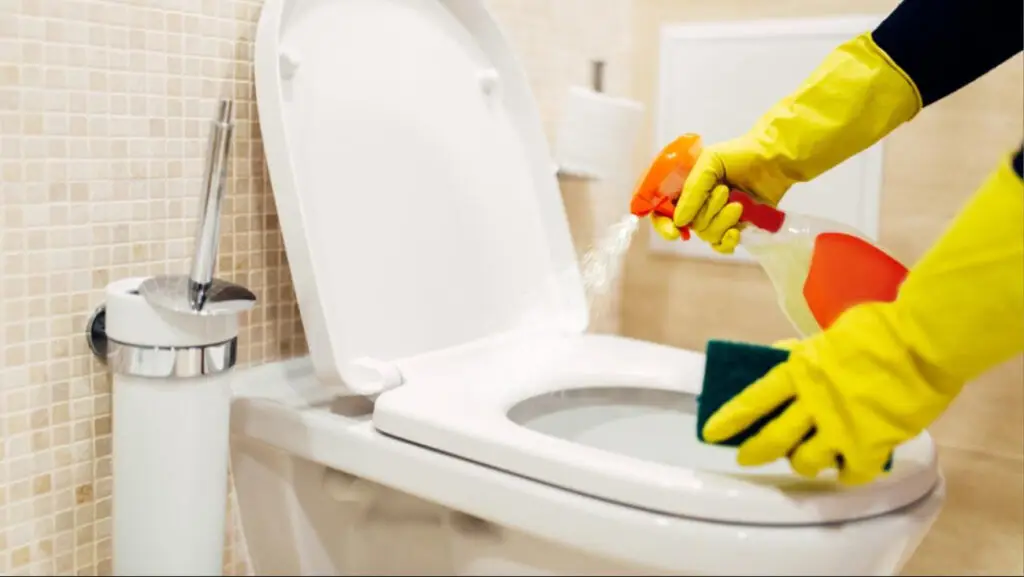
Bathrooms often look clean within minutes. Counters shine, mirrors sparkle, and floors look spotless. However, bathrooms are one of the most complex spaces to maintain. Heat, moisture, and daily use create conditions where bacteria and mold can develop even when surfaces look clean.
Many homeowners unknowingly repeat bathroom cleaning mistakes that allow moisture, residue, and bacteria to build in hidden areas. Over time, these small errors can lead to grout damage, mold growth, odors, and surface deterioration.
Understanding and avoiding common bathroom cleaning mistakes helps protect surfaces, improve air quality, and maintain long-term home hygiene.
Why Bathrooms Require More Care Than Other Rooms
Bathrooms combine water, humidity, and heat every day. These conditions accelerate bacterial growth and surface wear. Even small cleaning gaps can lead to long-term damage.
Consistent cleaning routines help prevent hidden moisture and contamination from developing.
Common risks created by repeated bathroom cleaning mistakes include:
- Mold growth behind surfaces
- Grout discoloration and breakdown
- Tile and sealant deterioration
- Persistent odor buildup
- Fixture staining and mineral deposits
In coastal or seasonal homes, where bathrooms may sit unused for months, moisture control becomes even more important.
How Moisture Creates Hidden Cleaning Challenges
Moisture spreads easily through bathrooms. Steam settles on walls, baseboards, and cabinets. Water can also collect in corners and behind fixtures.
Many cleaning routines focus only on visible surfaces. This is why hidden moisture zones often become problem areas.
Common hidden moisture zones include:
- Behind toilet bases
- Inside under-sink cabinets
- Shower corner seams
- Vent covers and airflow areas
- Baseboard edges
Avoiding bathroom cleaning mistakes means cleaning both visible and hidden moisture zones consistently.
7 Bathroom Cleaning Errors That Homeowners Often Make
1. Using Incorrect Cleaners on Tile and Stone
Not all surfaces tolerate the same cleaning products. Harsh cleaners can damage natural stone or specialty tile coatings.
Safer surface care usually includes:
- Using pH-neutral cleaners on stone
- Avoiding acidic cleaners on marble
- Testing new products before full use
Incorrect product use is one of the most common bathroom cleaning mistakes.
2. Ignoring Ventilation System Cleaning
Ventilation reduces humidity and prevents mold growth. Many people clean bathroom surfaces but ignore airflow systems.
Basic ventilation maintenance often includes:
- Dusting exhaust fan covers
- Checking airflow strength
- Cleaning vent grilles
Skipping ventilation cleaning allows humidity to build.
3. Delaying Grout Cleaning and Maintenance
Grout absorbs moisture and soap residue. Without regular cleaning, grout becomes a mold and bacteria trap.
Grout care often includes:
- Weekly grout brushing
- Monthly grout inspections
- Periodic grout sealing
Grout neglect is one of the most damaging bathroom cleaning mistakes.
4. Missing High-Touch Surface Sanitation
Some surfaces look clean but hold bacteria from daily use. These areas require consistent disinfecting.
High-touch bathroom surfaces often include:
- Toilet flush handles
- Faucet handles
- Light switches
- Door handles
Consistent sanitation helps prevent contamination spread.
5. Using Too Much Water While Cleaning
Excess water spreads moisture into seams, grout, and hidden areas. Over-saturating floors can increase mold risk.
Better cleaning methods often include:
- Using damp cloths instead of soaking surfaces
- Drying surfaces after cleaning
- Ventilating bathrooms after mopping
Moisture control helps prevent bathroom cleaning mistakes from causing mold problems.
6. Skipping Under-Sink Storage Cleaning
Under-sink cabinets trap humidity and often go uncleaned. Plumbing condensation can create hidden mold risk.
Under-sink maintenance often includes:
- Removing items periodically
- Wiping cabinet interiors
- Checking for leaks
Cabinet cleaning supports long-term mold prevention.
7. Delaying Professional Deep Cleaning
Routine cleaning removes surface residue, but deep contamination may require professional tools.
Professional deep cleaning often includes:
- Deep grout extraction cleaning
- Hard water stain removal
- Hidden mold inspection
- Fixture base sanitation
Ignoring deep cleaning needs is one of the most expensive bathroom cleaning mistakes long term.
Building Bathroom Cleaning Routines That Prevent Problems
Structured cleaning routines prevent buildup before it becomes difficult to remove.
Daily habits often include:
- Wiping sinks and counters
- Rinsing shower walls
- Drying faucet bases
Weekly cleaning often includes:
- Cleaning toilet exterior surfaces
- Scrubbing shower tile
- Disinfecting high-touch surfaces
Monthly cleaning often includes:
- Cleaning ventilation covers
- Inspecting grout condition
- Cleaning under-sink cabinets
Consistent routines help avoid bathroom cleaning mistakes long term.
How Proper Tile Care Protects Bathroom Surfaces
Tile surfaces require gentle but consistent maintenance. Abrasive scrubbing can damage finishes and create microscopic cracks.
Safe tile care usually includes:
- Avoiding abrasive scrub tools
- Removing soap residue quickly
- Sealing grout regularly
- Using correct pH-balanced cleaners
Good tile care prevents long-term surface damage.
When Bathroom Cleaning Requires Professional Support
Some issues require professional cleaning services. Recognizing early warning signs prevents major repair costs.
Warning signs often include:
- Persistent musty odors
- Grout discoloration returning quickly
- Recurring mold spots
- Hard water buildup that does not remove
These signs often indicate deeper contamination.
Special Bathroom Cleaning Needs for Seasonal Homes
Seasonal homes often experience higher moisture risk during closure periods.
Before seasonal closure, helpful steps often include:
- Drying all bathroom surfaces
- Cleaning and drying shower curtains
- Emptying cabinets
- Running exhaust fans
Before seasonal reopening, important steps often include:
- Running water through fixtures
- Checking for leaks
- Disinfecting high-touch surfaces
- Inspecting grout condition
Avoiding seasonal bathroom cleaning mistakes helps protect property condition.
Why Clean Bathrooms Support Whole-Home Health
Bathrooms influence overall home hygiene more than most people realize. Moisture and bacteria can spread through airflow and shared surfaces.
Avoiding bathroom cleaning mistakes helps maintain healthier indoor air quality and surface sanitation.
Small Cleaning Changes Prevent Major Problems
Bathrooms respond well to consistent care. Small daily actions often prevent large cleaning problems later.
By avoiding common bathroom cleaning mistakes, homeowners protect surfaces, improve air quality, and reduce long-term repair costs.
Clean bathrooms support healthier homes, better comfort, and easier maintenance routines. When moisture and residue are controlled early, bathrooms stay fresh, safe, and easier to manage every day.